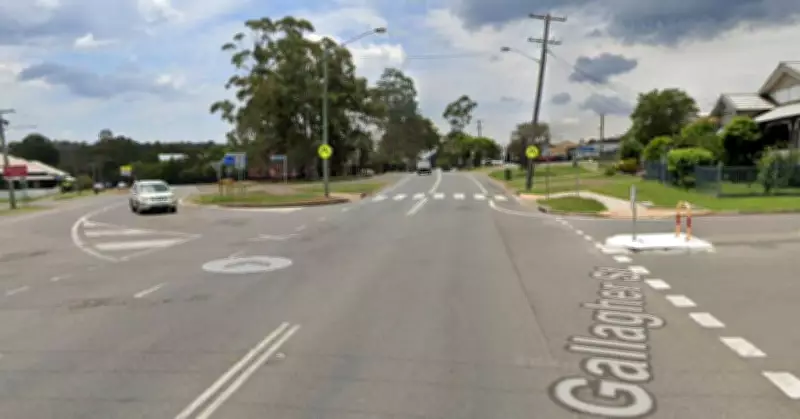
Care Worker Advocates for Immediate Safety Measures at Cessnock Intersection
A dedicated care worker from Cessnock is raising the alarm over a dangerous intersection that has become a hotspot for accidents and near-misses, putting local residents at risk. The intersection, located in a busy part of the town, has been described as a ticking time bomb by community members who use it daily.
Multiple Incidents Spark Concern
According to the care worker, who wishes to remain anonymous for professional reasons, there have been numerous reports of collisions and close calls at this junction. Pedestrians, including elderly individuals and children, are particularly vulnerable when crossing, with poor visibility and confusing traffic signals exacerbating the dangers. The worker has witnessed several incidents firsthand while commuting to and from care visits, highlighting the urgent need for intervention.
Community Voices and Local Impact
Local residents have echoed these concerns, sharing stories of near-accidents and property damage caused by the intersection's design flaws. "It's not just an inconvenience; it's a genuine safety hazard that affects everyone in the area," said one resident. The care worker's advocacy has galvanized community support, with calls for:

- Improved signage and road markings to enhance clarity for drivers.
- Installation of traffic lights or roundabouts to better manage vehicle flow.
- Regular safety audits by local authorities to assess and address risks.
Authorities Under Pressure to Act
Transport and road safety officials have been urged to prioritize this issue, with the care worker and community members demanding a swift response. Delays in action could lead to more serious accidents, potentially resulting in injuries or fatalities. The intersection's history of incidents underscores the need for proactive measures rather than reactive fixes after a tragedy occurs.
Broader Implications for Regional Safety
This case highlights a broader issue of road safety in regional areas, where infrastructure may not keep pace with growing traffic demands. Advocacy from individuals like the care worker is crucial in driving change and ensuring that local governments allocate resources to high-risk zones. As the community rallies behind this cause, it serves as a reminder that public safety should always be a top priority in urban planning and development.