The Hidden Efforts in ACT's Emergency Response
When bushfires or floods strike the Australian Capital Territory, the public often sees the frontline actions—firefighters battling blazes or rescue teams navigating floodwaters. However, a vast amount of unseen work goes on behind the scenes, ensuring these responses are effective and coordinated. This article delves into the intricate operations that support ACT's emergency management, highlighting the planning, technology, and community efforts that keep residents safe.
Coordination and Planning
At the heart of the ACT's bushfire and flood response is a sophisticated coordination system. Emergency services, including the ACT Rural Fire Service and State Emergency Service, work in tandem with government agencies like the ACT Government's Emergency Services Agency. This involves detailed planning sessions, risk assessments, and scenario simulations conducted long before any disaster occurs. Teams analyze weather patterns, terrain data, and historical incidents to develop strategies that can be deployed swiftly when needed. For instance, during the 2020 bushfire season, pre-emptive measures such as controlled burns and public alerts were based on months of preparatory work, which helped mitigate damage and save lives.
Technological Integration
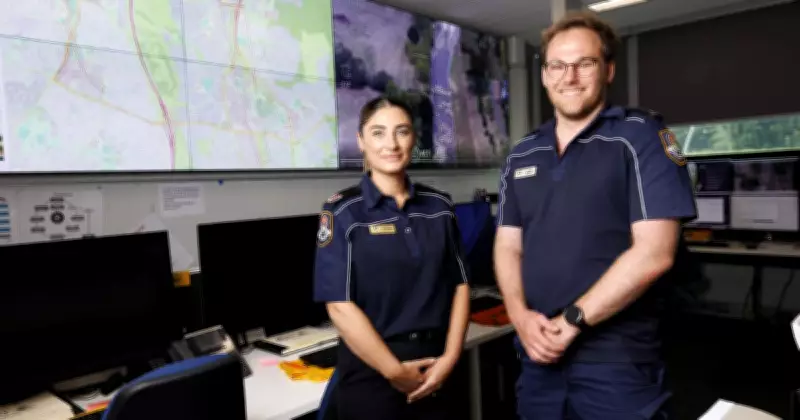
Technology plays a crucial role in the unseen aspects of emergency response. The ACT utilizes advanced systems like satellite imagery, drones, and real-time data analytics to monitor fire fronts and flood levels. These tools allow for early detection of threats, enabling quicker mobilisation of resources. Additionally, communication networks are bolstered to ensure seamless information flow between field operatives and command centres. For example, during recent flood events, mobile apps and social media platforms were used to disseminate warnings and updates, reaching a broader audience efficiently. This technological backbone supports decision-making processes, reducing response times and enhancing overall effectiveness.

Community and Volunteer Support
Beyond official agencies, community involvement is a key component of the ACT's emergency response framework. Volunteers from organisations like the Red Cross and local community groups provide essential support, from evacuation assistance to psychological first aid. Training programs and public awareness campaigns are conducted regularly to educate residents on preparedness measures, such as creating bushfire survival plans or securing properties against floods. This grassroots effort not only supplements professional services but also fosters a culture of resilience, ensuring that communities are better equipped to handle crises. The unseen work of these volunteers often goes unrecognised, yet it is vital for maintaining morale and operational continuity during prolonged emergencies.
Challenges and Future Directions
Despite these efforts, the ACT faces ongoing challenges in managing bushfire and flood responses. Climate change is increasing the frequency and intensity of such events, putting pressure on resources and infrastructure. To address this, the ACT Government is investing in long-term strategies, such as upgrading water management systems and enhancing fire-resistant building codes. Collaboration with neighbouring regions and federal bodies is also being strengthened to share knowledge and resources. Looking ahead, the focus is on integrating more sustainable practices and innovative technologies, like AI for predictive modelling, to improve preparedness and response capabilities. This forward-thinking approach aims to build a more resilient ACT, capable of weathering future disasters with greater efficiency.
In summary, the unseen work behind the ACT's bushfire and flood response involves a multi-faceted approach that combines coordination, technology, and community engagement. By shedding light on these behind-the-scenes efforts, we gain a deeper appreciation for the complex systems that protect lives and property in times of crisis.