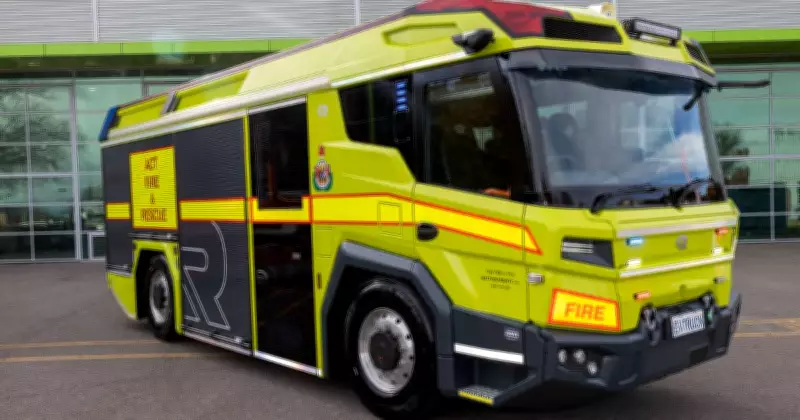
Emails Uncover Critical Faults in ACT's Hybrid Fire Trucks
Internal government emails have revealed alarming faults in the Australian Capital Territory's hybrid fire trucks, raising serious questions about their safety and reliability. The documents, obtained through official channels, detail persistent issues with the vehicles' battery systems and engine performance, which have plagued the fleet since its introduction. These revelations come at a time when emergency services are under increasing pressure to respond effectively to bushfires and other crises, making the operational readiness of firefighting equipment paramount.
Specific Faults and Operational Impacts
The emails highlight several key problems with the hybrid fire trucks, including frequent battery failures that have left vehicles inoperable during critical moments. Additionally, engine malfunctions have been reported, with some trucks experiencing sudden power loss while en route to emergencies. These faults not only compromise response times but also pose direct risks to firefighters and the public. The documents suggest that maintenance teams have struggled to address these issues promptly, leading to extended downtime for multiple vehicles in the fleet.
According to the correspondence, the hybrid technology, which was intended to reduce emissions and improve efficiency, has instead introduced new vulnerabilities. For instance, the integration of electric and diesel components has created complex repair challenges, with technicians lacking specialized training. This has resulted in prolonged repair cycles and increased costs, straining the ACT's emergency services budget. The emails also note that some faults were identified during routine checks but were not adequately resolved before the trucks were deployed.

Safety Concerns and Government Response
The faults have sparked urgent safety concerns among firefighting personnel, who rely on these vehicles for life-saving operations. In one email, a senior officer expressed worry that the hybrid trucks could fail during high-stakes incidents, such as structure fires or wildfire containment efforts. This has led to calls for an immediate review of the fleet's procurement and maintenance protocols. The ACT government has acknowledged the issues, stating that investigations are underway to determine the root causes and implement corrective measures.
However, critics argue that the response has been slow, with emails indicating that some faults were reported months ago without significant resolution. The situation underscores broader challenges in adopting new technologies for critical infrastructure, where reliability must outweigh innovation. As the ACT grapples with these revelations, stakeholders are demanding transparency and swift action to ensure that fire services are equipped with dependable vehicles.
Broader Implications for Emergency Services
This incident highlights the importance of rigorous testing and oversight for emergency vehicles, especially as jurisdictions nationwide consider transitioning to hybrid or electric fleets. The ACT's experience serves as a cautionary tale, emphasizing the need for robust contingency plans and ongoing training for maintenance staff. Moving forward, experts recommend that similar procurements include comprehensive risk assessments and pilot programs to identify potential faults before full-scale deployment.
In summary, the email disclosures have exposed critical shortcomings in the ACT's hybrid fire trucks, from battery failures to engine issues, that jeopardize public safety and operational efficiency. As investigations continue, the focus must remain on ensuring that emergency services have access to reliable equipment, with lessons learned applied to future technological adoptions in the sector.