Toxic Fumes Endanger Children's Health in Australian Communities
A recent investigation has uncovered alarming levels of toxic fumes in Australian neighborhoods, posing severe health risks to children and prompting urgent calls for environmental action. The findings highlight a growing public health crisis that demands immediate attention from authorities and communities alike.
Health Impacts on Vulnerable Youngsters
Children are particularly vulnerable to the harmful effects of toxic fumes due to their developing respiratory systems and higher breathing rates relative to body size. Exposure to these pollutants can lead to a range of health issues, including asthma, allergies, and long-term respiratory damage. Parents and health experts express deep concern over the potential for lifelong consequences, with many describing the situation as "just awful" for affected families.
The investigation identified multiple sources of toxic emissions, including industrial facilities, vehicle exhaust, and household chemicals. These fumes contain hazardous substances such as volatile organic compounds (VOCs), particulate matter, and nitrogen oxides, which can accumulate in residential areas, especially during periods of low wind or high pollution. Communities near major roads or industrial zones report the highest levels of exposure, raising equity issues about environmental justice.

Community Responses and Calls for Action
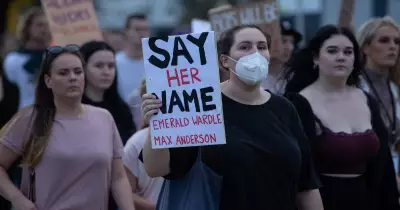
Local residents have mobilized in response to the crisis, organizing protests and petitioning government bodies for stricter regulations on emissions. Advocacy groups emphasize the need for comprehensive air quality monitoring and transparent reporting to protect public health. "We cannot stand by while our children suffer from preventable pollution," said one community leader, echoing widespread frustration.
Environmental scientists recommend several measures to mitigate the risks:
- Implementing stricter emission standards for industries and vehicles.
- Increasing green spaces and tree planting to absorb pollutants.
- Promoting public awareness campaigns about indoor air quality and safe practices.
- Investing in clean energy alternatives to reduce reliance on fossil fuels.
Government agencies are under pressure to act swiftly, with proposals for new policies and funding initiatives being discussed at both state and federal levels. The issue has gained traction in political debates, highlighting the intersection of environmental protection and public health priorities.
Long-Term Implications and Future Outlook
If left unaddressed, the persistence of toxic fumes could exacerbate health disparities and lead to increased healthcare costs for respiratory illnesses. Experts warn that climate change may worsen air quality in some regions, making proactive measures even more critical. Ongoing research aims to better understand the specific compounds involved and their effects on child development, with hopes of informing targeted interventions.
In conclusion, the threat of toxic fumes to children's health is a pressing concern that requires coordinated efforts from policymakers, industries, and communities. By prioritizing clean air initiatives and enforcing robust environmental standards, Australia can safeguard the well-being of future generations and create healthier living environments for all.