Seagrass Flourishing in Peel-Harvey Estuary Marks Ecological Recovery Milestone
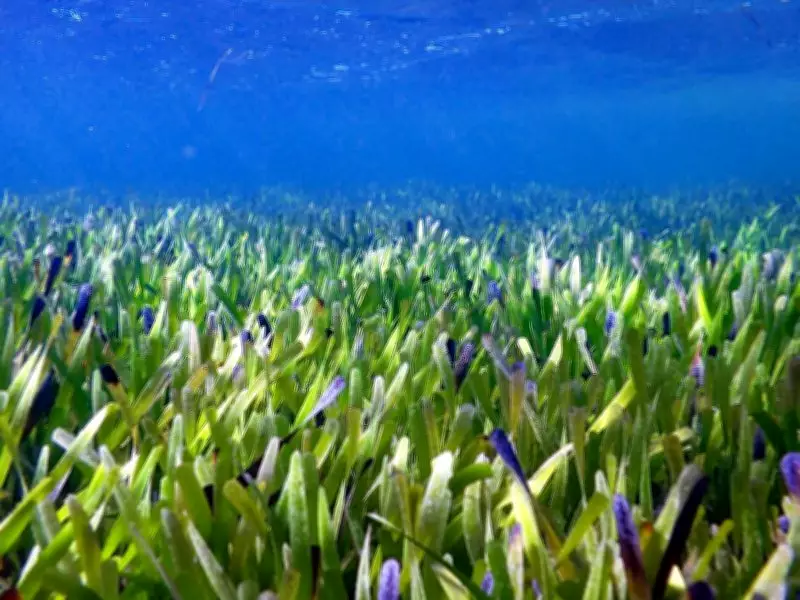
Bindjareb Djilba, known as the Peel-Harvey estuary, is experiencing a significant ecological resurgence as seagrass beds show promising signs of recovery after periods of poor health. Recent scientific data reveals that dense seagrass is now thriving in areas that previously had sparse or minimal coverage, with the total seagrass cover in the estuary increasing by an impressive 16 per cent over the past four years.
Substantial Growth in Seagrass Meadows Recorded
Scientists from Healthy Estuaries WA, a division of the Department for Water and Environmental Regulation, have documented substantial growth in seagrass meadows, particularly in the southern basin of the Harvey Estuary. The 2024-2025 Seagrass Snapshot indicates that seagrass now covers more than 9,200 hectares, accounting for approximately 71 per cent of the total estuary area.
This positive development underscores the critical role of seagrasses as flowering plants vital to estuary health. They provide essential habitat and food for birds, fish, and crustaceans, while also stabilising shorelines and enhancing climate resilience through carbon storage and oxygen release. The distribution of seagrass serves as a key indicator of overall estuary health and water quality.

Rising Macroalgae Levels Pose Ongoing Concerns
However, the snapshot also highlights a concerning trend: a similar increase in macroalgae within the estuary. Macroalgae now covers about 10,726 hectares, or roughly 82 per cent of the total estuary area, representing a 24 per cent increase since 2021. While macroalgae are aquatic plants that form an important part of the food chain, an over-abundance signals an ecosystem imbalance, typically caused by excess nutrients.
The report warns that some species of macroalgae can respond rapidly to increased nutrients, leading to prolific growth that may smother seagrass, clog waterways, and accumulate as unpleasant wrack along shorelines. This underscores the urgent need for continued catchment management to reduce nutrient inputs and improve water quality, thereby supporting a healthy ecosystem.
Government and Community Efforts Drive Progress
The survey was conducted by Healthy Estuaries WA as part of the Bindjareb Djilba (Peel-Harvey Estuary) protection plan, a 2025 State Government election commitment. Water and Climate Resilience Minister Don Punch emphasised that the snapshot reflects the results of science-led efforts across government, industry, and local communities.
"The work being delivered through Healthy Estuaries WA, in partnership with local groups, is critical to building on this progress," Minister Punch stated. "Seagrasses play an essential role in climate resilience by storing carbon, releasing oxygen, and supporting healthy ecosystems. Ongoing monitoring and continued efforts to reduce nutrients will be key to securing long-term improvements for the health of the estuary."
Peel Minister Jessica Stojkovski echoed this sentiment, expressing heartening observations of Bindjareb Djilba coming back to life. "This recovery gives real hope for the future health of the Peel-Harvey estuary and the communities who care for it," she remarked.
Balancing Recovery with Continued Vigilance
While the increase in seagrass is a positive sign of ecological recovery, scientists caution that more work is needed to safeguard its health. The dual trends of seagrass growth and macroalgae expansion highlight the complex dynamics at play in estuary ecosystems. Ongoing nutrient reduction remains critical to prevent macroalgae from undermining seagrass gains and to ensure the long-term sustainability of this vital environment.
The findings serve as a reminder that ecological recovery is a gradual process requiring sustained commitment. As the Peel-Harvey estuary continues to heal, continued collaboration between scientists, policymakers, and local communities will be essential to maintain momentum and address emerging challenges.