As urban living spaces shrink and gardens become more compact, Australians are turning to innovative solutions to maximise their green areas. One such trend is the cultivation of edible water plants, which not only enhance the aesthetic appeal of water features but also provide fresh, homegrown produce. Sabrina Hahn, a gardening expert, highlights how plants like kangkong, water chestnut, and Lebanese watercress can transform your outdoor space into a functional and beautiful oasis.
The Rise of Purpose-Driven Water Gardens
With block sizes decreasing and houses expanding, many homeowners are seeking ways to make the most of limited garden space. There is a noticeable shift among younger families towards creating purpose-driven gardens inspired by permaculture principles, where every element serves multiple functions. In this context, water features are gaining popularity as they offer numerous benefits beyond mere decoration.
Water gardens can play a crucial role in supporting local biodiversity. They attract pollinators, provide hydration for insects, frogs, mammals, and birds, and surprisingly, they can also contribute to your meals. These "edimental" plants combine ornamental value with edibility, making them a smart choice for modern gardeners.

Popular Edible Water Plants to Grow
Lebanese Watercress
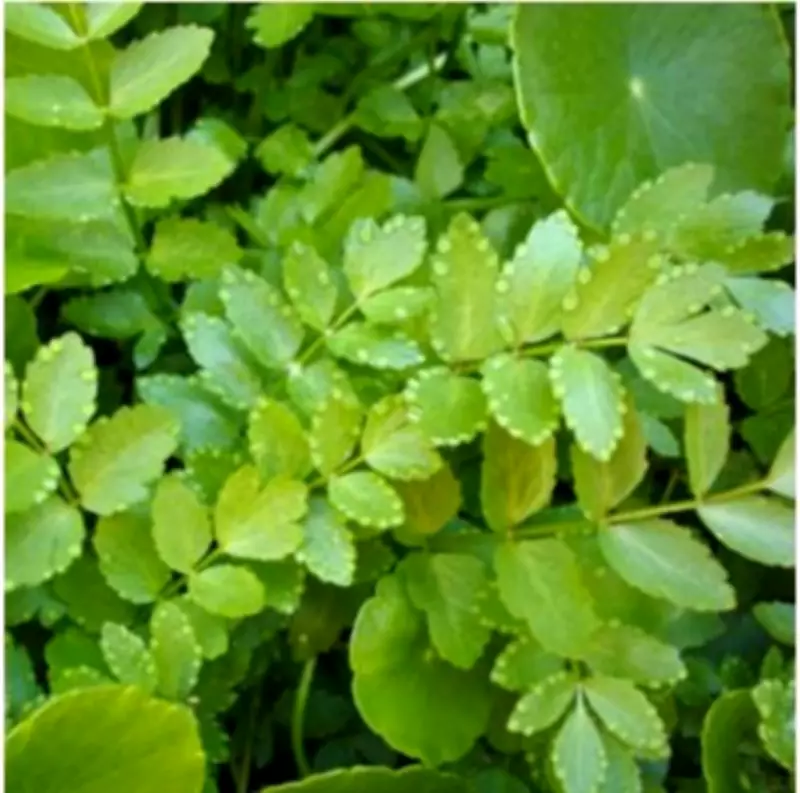
Aethionema cordifolium, commonly known as Lebanese watercress, is a perennial salad plant that thrives and spreads easily. It features lush, fern-like leaves that are not only attractive but also have a pleasant mild flavour, perfect for salads or as a garnish. This plant typically grows to about 0.25 metres in height and 0.3 metres in width.
Beyond its culinary uses, Lebanese watercress serves as an excellent water-filter plant for ponds and other water sources. It also provides a safe hiding spot for frogs, enhancing the ecological balance of your garden. Its dual functionality makes it a standout choice for any water feature.
Water Chestnut
Contrary to its name, the water chestnut (Eleocharis dulcis) is not a nut but an aquatic vegetable that grows in marshes, underwater, or in mud. It produces stem-like, tubular green leaves that can reach up to 1.5 metres in height. The corms, which are the edible part, should be harvested once they turn dark brown.
If left in the soil beyond this point, the corms become sweeter but have a shorter storage life. Water chestnuts are remarkably easy to cultivate, whether in a pond or even a simple bucket of water. Raw water chestnuts are slightly sweet and crunchy, with a crisp, white flesh. They can be eaten raw, boiled, grilled, pickled, or tinned, offering a versatile ingredient for various dishes.
Nutritionally, water chestnuts are composed of approximately 74% water, 24% carbohydrates, and 1% protein, with minimal fat content. Their firm, slightly crunchy texture and mild, nutty flavour make them a delightful addition to meals.
Kangkong (Water Spinach)
Kangkong, also known as water spinach (Ipomoea aquatica), is a semi-aquatic tropical plant prized for its tender shoots. The hollow cavity within its stems allows it to float, making it well-suited for water gardens. This vegetable is a staple in East, South, and Southeast Asian cuisines, often featured in dishes like stir-fried water spinach.
Kangkong is incredibly easy to grow and thrives in hot weather, making it an ideal choice for Australian summers. Its rapid growth and culinary versatility make it a favourite among gardeners looking to incorporate Asian flavours into their homegrown produce.
Tips for Successful Water Gardening
Summer is the perfect time to start your water garden, as nurseries typically offer a wide selection of water plants during this season. The long hours of sunshine and warmer nights create optimal conditions for many aquatic plants to flourish rapidly.
To ensure a thriving garden, consider these three essential tasks for the current season:

- Prune back male kiwifruit vines after pollination of the female flowers and once the fruit has begun to develop.
- Harvest capsicums before a major heatwave, as the fruit is prone to sunburn.
- Regularly harvest basil and parsley to prevent seed heads from forming, encouraging continued growth.
If you have gardening questions for Sabrina Hahn, you can submit them to "Green With Envy" in Saturday's The West Australian. Write to Ask Sabrina, GPO Box D162, Perth, 6001, or email home@wanews.com.au. Please include your full name and suburb. Note that due to the volume of inquiries, not all questions may be answered.
Stay updated with the latest gardening news and tips by signing up for newsletters from trusted sources like thewest.com.au. Embrace the joy of growing your own edible water plants and transform your garden into a sustainable, productive haven.