Cockburn Sound's Marine Ecosystem Undergoes Major Restoration with Mussel Aquafarming
Cockburn Sound is undergoing a significant marine makeover, with an innovative project leveraging mussel aquafarming to address serious ecological declines. The initiative, spearheaded by Western Australian start-up Byssal, aims to restore water quality, habitat condition, and overall ecological health in the sound through natural ocean restoration practices.
Byssal's Ambitious Mussel Farm Initiative
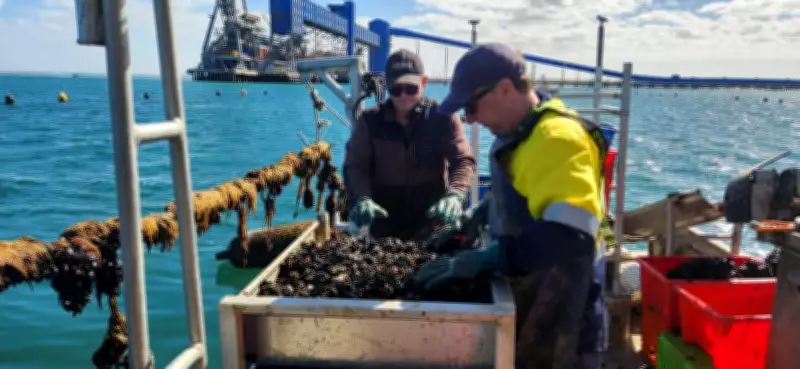
Byssal has leased a 100-hectare area in Cockburn Sound to construct a blue mussel aquafarm, utilizing eight kilometres of juvenile mussel settlement ropes. These ropes have already captured approximately 20 tonnes of mussels during the winter and spring of 2025, marking the beginning of a long-term project critical to the sound's recovery. According to Byssal director Tim Grose, the mussels deployed in July 2025 are growing to adult size and will reach full maturity by mid-2026.
The farm operations are designed to be ongoing, with the current stock used to self-seed future batches, ensuring a sustainable cycle. This approach helps combat ongoing environmental threats, such as industrial developments and climate change, which have contributed to the sound's deterioration through factors like warming ocean temperatures.

Ecological Benefits and Environmental Impact
Mussels are renowned as ecological overachievers, with each mussel filtering about 72 litres of seawater daily to remove pollutants and suspended sediments. At full capacity, the aquafarm has the potential to filter 2,880 megalitres of water per day, equivalent to 1,152 Olympic swimming pools. This filtration leads to multiple benefits for Cockburn Sound:
- Reducing the risk of summer algal blooms
- Boosting biodiversity by providing feeding grounds for species like pink snapper and little penguins
- Restoring habitats for crustaceans and fish
Expert Leadership and Community Collaboration
Byssal founding director and farm manager Glenn Dibbin, with nearly 40 years of experience in Cockburn Sound mussel farming, is leading the project. He expressed excitement about rebuilding a local mussel farm for environmental purposes, bringing together dedicated partners including Recfishwest, Indopacific Environmental, and Commercial Maritime.
Dibbin emphasized the project's proactive stance, stating that the team did not want to sit back and watch the ocean inlet deteriorate. He noted that the operation is already showing impressive signs and believes marine restoration and coastal development can coexist harmoniously.
Future Funding and Sustainability Goals
Byssal intends to collaborate with businesses, corporates, and government entities to secure funding for similar environmental restoration initiatives. Grose highlighted the importance of these partnerships, especially with key developments looming in Cockburn Sound, to ensure mussel biomass is maintained and enhanced over time. The community expects funders to contribute and provide leadership in this critical effort.
This project represents a hopeful step toward revitalizing Cockburn Sound's marine ecosystem, demonstrating how innovative aquafarming can play a pivotal role in addressing environmental challenges and promoting sustainable coastal development.