Cocaine-Exposed Fish Swim Further, Queensland Study Reveals
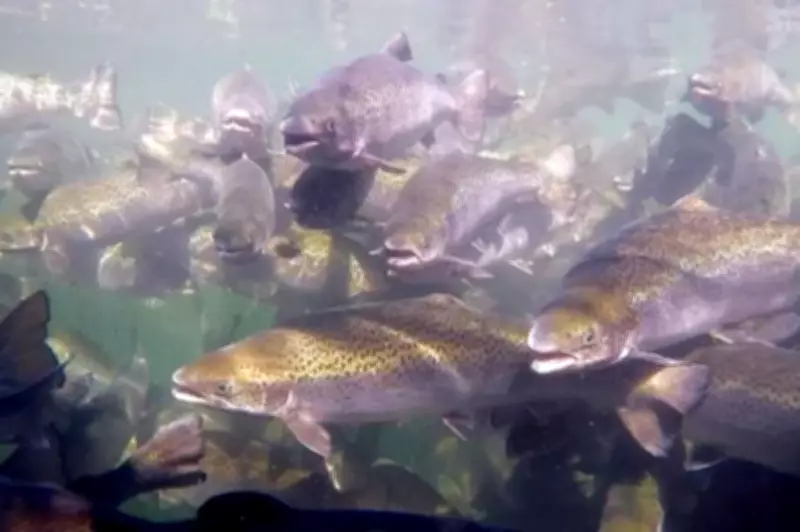
A groundbreaking new study from Queensland has uncovered startling effects of cocaine pollution on aquatic life, with fish exposed to the drug swimming significantly further and faster than their unexposed counterparts. The research, conducted by scientists in the state, sheds light on the hidden environmental consequences of illicit drug contamination in waterways.
Key Findings of the Study
The study, which involved controlled experiments, found that fish subjected to trace amounts of cocaine in water exhibited increased swimming distances and higher activity levels. This behavioral change, often referred to as "white line fever" in a metaphorical sense, suggests that drug residues can alter the natural behaviors of marine organisms, potentially disrupting ecosystems.
Researchers noted that the cocaine-exposed fish swam up to 20% further in tests, indicating a stimulant effect similar to that seen in humans. This phenomenon raises concerns about the broader impacts of pharmaceutical and illicit drug pollution on wildlife, as such substances can enter water systems through wastewater and runoff.

Environmental and Ecological Implications
The findings highlight a growing issue of drug contamination in aquatic environments, which is often overlooked in discussions of pollution. Cocaine and other drugs can persist in water, affecting not only fish but also other marine species and the overall health of ecosystems.
- Increased swimming activity may lead to higher energy expenditure in fish, affecting their survival and reproduction rates.
- Altered behaviors could disrupt predator-prey dynamics and migration patterns in aquatic communities.
- The study calls for more stringent monitoring and treatment of wastewater to reduce drug pollution.
This research underscores the need for comprehensive environmental policies to address emerging contaminants, as traditional pollution controls may not adequately target drug residues. Scientists urge further investigation into the long-term effects on biodiversity and ecosystem stability.
Broader Context and Future Research
Queensland's study adds to a growing body of evidence on the impacts of human activities on marine life. With increasing drug use globally, the risk of environmental contamination is rising, necessitating proactive measures to safeguard aquatic habitats.
Future research aims to explore the effects of other drugs and pharmaceuticals on marine organisms, as well as potential mitigation strategies. Public awareness and policy interventions are crucial to combat this silent threat to our waterways.