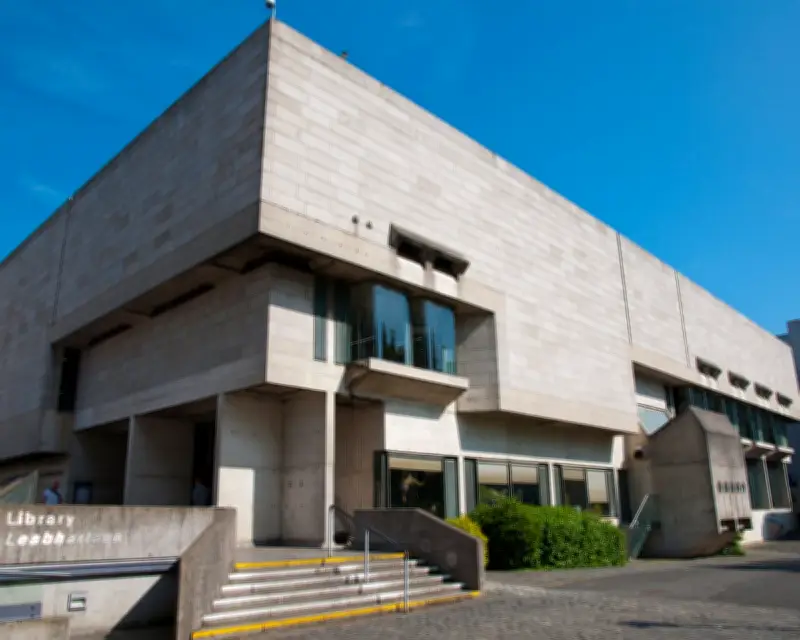
Peter Ahrends, the German-born British architect who gained prominence for his modernist designs and his role in the architectural firm Ahrends, Burton and Koralek (ABK), has died at the age of 92. His death was confirmed by his family, though the cause was not disclosed.
Early Life and Career
Born in Berlin in 1933, Ahrends fled Nazi Germany with his family and settled in England. He studied architecture at the Architectural Association in London, where he met Richard Burton and Paul Koralek. The trio formed ABK in 1961, a practice that became known for its innovative and humanistic approach to modernism.
Ahrends' most notable work is the Red House in Hampstead, London, completed in 1967. The house, with its distinctive red brick and sculptural form, is considered a masterpiece of late modernist architecture. It was listed at Grade II* by Historic England in 2016.

Key Projects and Philosophy
ABK's portfolio included a range of buildings, from university buildings to housing estates. Among their notable projects are the University of East Anglia's library (1968) and the Brunswick Centre in Bloomsbury (1972). Ahrends was known for his belief that architecture should be “a background to life,” not a statement of ego. He often emphasized the importance of context and human scale.
In a 2017 interview, Ahrends said: “Architecture is not about making a grand gesture. It's about creating spaces that people can inhabit comfortably and with pleasure.”
Later Years and Legacy
Ahrends retired from practice in the early 2000s but remained active in architectural discourse. He was elected a Royal Academician in 1999. His work has been praised for its integrity and sensitivity to place. The Red House has been described by the Twentieth Century Society as “one of the most important houses of the 20th century.”
Ahrends is survived by his wife, two children, and four grandchildren. A memorial service is planned for later this year.