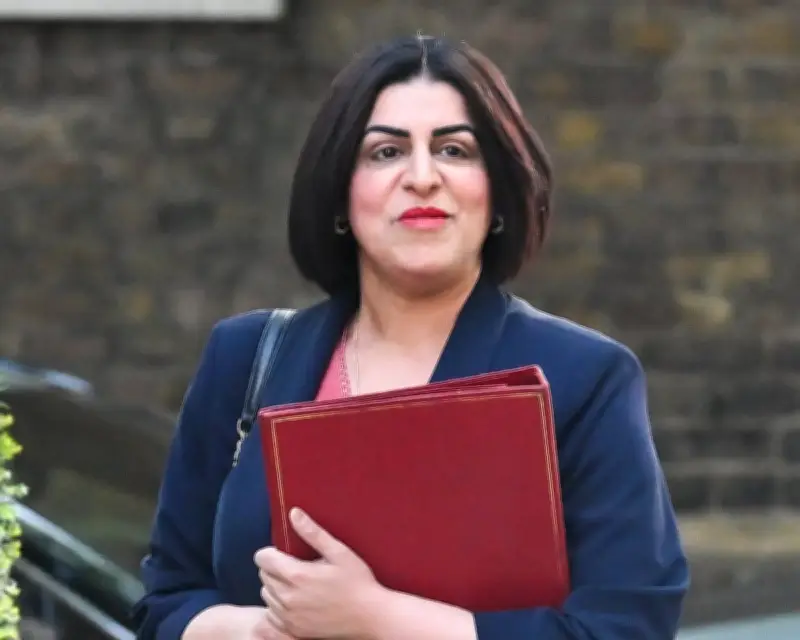
Home Office minister Shahid Mahmood has outlined a comprehensive plan for safe and legal immigration routes, a move widely seen as an attempt to placate the Labour Party's left wing amid internal tensions over asylum policy. The proposal, announced on June 26, 2026, includes expanded refugee resettlement schemes, family reunion visas, and humanitarian visas for those fleeing conflict or persecution.
Details of the Plan
Mahmood's plan envisions a multi-year framework that would increase the number of refugees resettled in the UK from 5,000 to 20,000 annually by 2030. It also proposes streamlining the family reunion process, reducing waiting times from 12 months to 6 months, and introducing a new humanitarian visa for individuals at immediate risk, valid for 12 months with a pathway to settlement.
According to a Home Office spokesperson, the plan is designed to "provide a humane and orderly system that meets our international obligations while maintaining public confidence." The cost is estimated at £1.2 billion over five years, funded by redirecting resources from enforcement to integration services.

Political Context
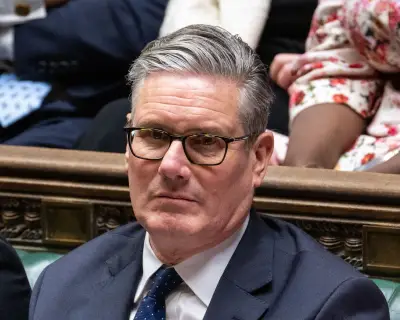
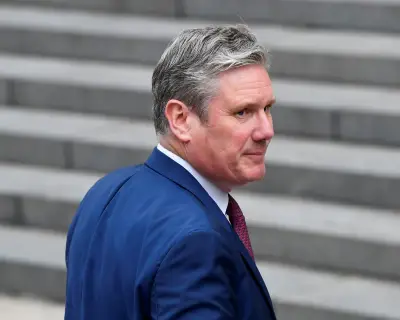
The announcement comes as Labour leader Keir Starmer faces growing pressure from the party's left flank, which has criticized the government's tough stance on small boat crossings and the Rwanda deportation policy. Mahmood, a former shadow home secretary, is seen as a key bridge between the party's moderate and progressive wings.
"This is about offering hope and opportunity, not just deterrence," Mahmood said in a speech to Labour Party members. "We must show that a fair and effective immigration system is possible."
Reactions and Criticism
Left-wing Labour MPs have cautiously welcomed the plan but demanded concrete commitments. Diane Abbott, a prominent backbencher, said: "Words are not enough. We need legislation that enshrines safe routes and ends the hostile environment." Meanwhile, Conservative critics have accused Mahmood of "opening the floodgates," with shadow home secretary Chris Philp calling the plan "an invitation to illegal migration."
Immigration charities have praised the vision but warned of implementation challenges. Enver Solomon, CEO of the Refugee Council, stated: "The ambition is commendable, but success depends on adequate funding and political will. We will hold the government to account."
Next Steps
The plan will be subject to a consultation period of 12 weeks, with a white paper expected in autumn 2026. Mahmood has indicated that pilot programs for the humanitarian visa could begin in early 2027. The outcome will likely shape Labour's immigration manifesto for the next general election.