Every December, social media feeds are flooded with colourful, shareable graphics as Spotify users unveil their annual listening habits through the platform's 'Wrapped' campaign. The 2024 edition is no different, creating a global cultural moment of musical reflection and identity. However, this seasonal highlight is prompting serious questions about the health and visibility of Australian music on the world's largest streaming service.
The Phenomenon of Personalised Data
Spotify Wrapped has evolved into a major year-end event, cleverly transforming user data into a personalised story. It tells listeners their most-played artists, top songs, total minutes streamed, and even assigns them to a 'listening personality'. For many, it's a fun, engaging way to recap the year and share musical tastes with friends. The campaign's success lies in its mastery of personal branding and social sharing, turning private listening habits into public conversation.
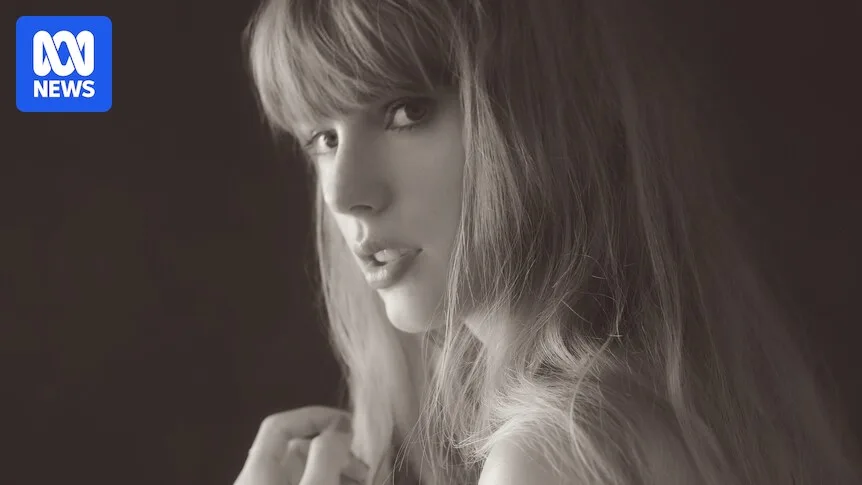
Yet, beneath the vibrant graphics and viral trends, the data tells another story. The lists dominating Australian users' Wrapped summaries often feature a familiar pattern: global megastars like Taylor Swift, Drake, and Harry Styles consistently claim the top spots. This raises a critical issue for the local industry: where are Australia's own artists in this personalised reckoning?
A Local Industry Seeking a Louder Voice
The concern isn't that Australians don't love local music. Homegrown acts can and do achieve significant success, with artists like The Kid LAROI, Tones and I, and more recently acts like G Flip or King Stingray building substantial followings. The issue is one of scale and algorithmic visibility on a platform designed for global consumption. Australian musicians are competing in an immense, borderless pool where playlist placement and algorithmic recommendations are king.
Industry bodies like ARIA (the Australian Recording Industry Association) have long advocated for policies that support local content. There is an ongoing debate about whether Australia should implement streaming quotas, similar to radio's local content rules, to ensure homegrown talent gets a fair shot at discovery. Proponents argue that without such measures, the algorithmic nature of Spotify can create a feedback loop that continually promotes already-popular international acts, making it harder for emerging Aussie artists to break through.
Spotify, for its part, points to its curated Australian playlists and editorial support for local artists. However, the raw, user-driven data from Wrapped often tells a different story about actual listening habits.
The Listener's Role in Shaping the Charts
The conversation also turns to us, the listeners. Wrapped holds up a mirror to our own choices. Supporting Australian music requires intentional action from consumers—seeking out local playlists, following homegrown artists, and actively adding their songs to our libraries. Streaming is not a passive act; every play counts as a vote in the algorithmic system. If Australian music is under-represented in our Wrapped summaries, it reflects a collective listening pattern that the industry is keen to shift.
This year's Wrapped data will be analysed closely by industry executives and policymakers. It serves as a massive, public dataset showing what Australians are genuinely streaming, not just what they're being told to listen to. The gap between national pride in our musical heritage and the reality of our digital consumption is starkly visible in these personalised round-ups.
Looking Beyond the Wrapped Hype
So, what's the path forward? The solution likely lies in a multi-faceted approach. Continued advocacy for fair platform policies is crucial. Investment in artist development and export markets remains vital. Perhaps most importantly, building stronger connections between Australian artists and local audiences in the digital space is key. Platforms need to do better at surfacing local talent, and listeners can make a conscious effort to explore.
Spotify Wrapped 2024 is more than just a social media trend. It's a diagnostic tool, a conversation starter, and a reminder of the power held by streaming platforms in shaping modern music culture. The challenge for the Australian music industry is to harness the incredible engagement of Wrapped and direct more of that energy towards discovering and sustaining our own world-class talent. The question remains: when Wrapped 2025 rolls around, will we see more Australian voices in the mix?