British director Emerald Fennell has previously stunned audiences with films like Promising Young Woman and Saltburn, but her latest effort, Wuthering Heights, falls short of expectations. This adaptation, featuring Australian stars Margot Robbie and Jacob Elordi, aims for a steamy, bodice-ripper vibe but ultimately fails to evoke strong emotions, a surprising outcome given the talent involved.
A Departure from Bronte's Vision
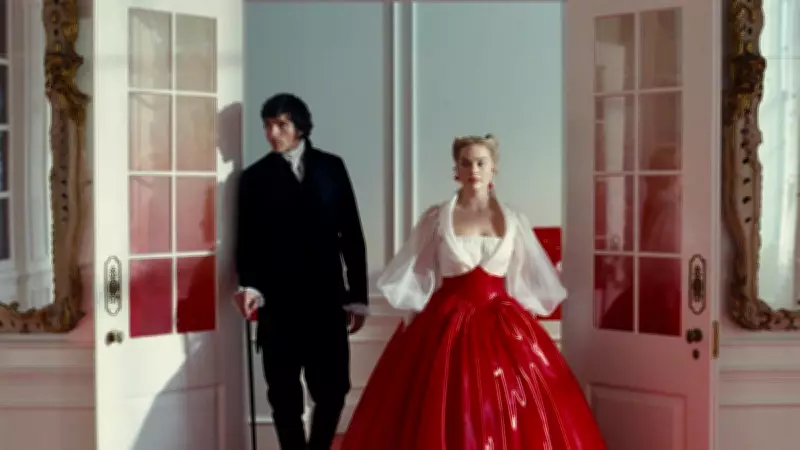
Emily Bronte's 1847 novel is a complex gothic masterpiece exploring generational cruelty through unreliable narrators. Fennell, who also wrote the screenplay, streamlines this sprawling tale into a more conventional star-crossed romance, stripping away much of the original's dark brilliance. While the film boasts exquisite costumes and visuals, it lacks the substance that made the source material enduring.
Plot Simplification and Character Changes
The story follows the Earnshaw and Linton families, with young Catherine and Heathcliff's bond evolving into adult conflicts over class and fortune. When wealthy Edgar Linton proposes to Catherine, Heathcliff departs, returning later as a resentful, wealthy man. However, Fennell's version softens Heathcliff from literature's notorious villain into a misunderstood figure, diluting the narrative's impact.

Notable scenes, such as Catherine digitally probing jellied fish, feel like forced attempts to create a memorable moment akin to Saltburn's plughole scene, but they come across as gimmicky rather than meaningful.
Performance and Production Elements
Jacob Elordi delivers a strong performance, continuing his recent success, but Margot Robbie struggles to carry the weight of the material. The soundtrack, featuring Charli XCX, often feels repetitive and fails to enhance the film's atmosphere. Despite its spectacular look, the movie remains perilously low on emotional and thematic depth.
Overall, Wuthering Heights is a missed opportunity, offering style over substance and failing to live up to its potential as a compelling adaptation.