Navigating the Complexities of Literary Adaptation to Film
Transforming a novel into a cinematic experience is a notoriously challenging endeavor, fraught with pitfalls and creative risks. The fundamental differences between the written page and the visual screen are vast, making faithful translation a complex task, except perhaps in the case of graphic novels where visual storytelling is already inherent.
A Preemptive Stance on Adaptation Accuracy
This new film adaptation of Emily Brontë's seminal novel, originally published in the mid-1800s, adopts a clever strategy by placing the title within inverted commas. This stylistic choice serves as a preemptive measure, subtly acknowledging and addressing potential criticisms regarding the accuracy of its interpretation. It is a savvy move that signals an awareness of the adaptation's liberties while inviting viewers to engage with the work on its own terms.
A Bold and Sensual Reimagining
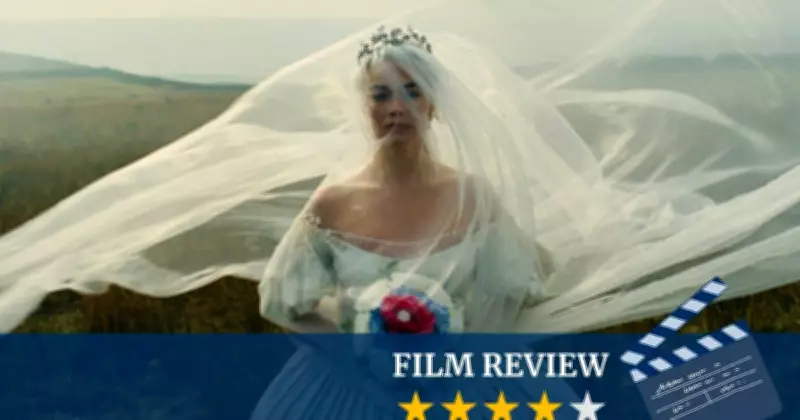
Such precautionary framing proves to be well-justified, as this adaptation emerges as a bold, sensual, and occasionally satirical response to a cornerstone of English literary fiction. The film does not merely replicate the source material but reinterprets it with a fresh perspective, infusing the classic narrative with contemporary sensibilities and visual flair.

The adaptation's daring approach is evident in its willingness to explore the novel's themes through a more visceral and emotionally charged lens. By embracing sensuality and incorporating elements of satire, the film challenges traditional interpretations, offering a provocative take that both honors and subverts the original work.
This creative risk-taking highlights the ongoing dialogue between literature and cinema, where adaptation is not about slavish reproduction but about artistic reinvention. The result is a cinematic experience that stands as a testament to the enduring power of Brontë's story while carving out its own unique identity in the landscape of film adaptations.