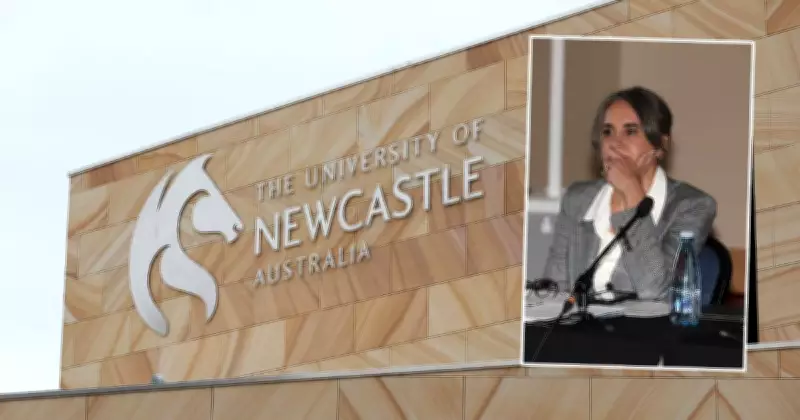
Sarah Kaine, a prominent academic and advocate for higher education reform, has publicly criticised the University of Newcastle over what she describes as excessive executive pay. In a strongly worded statement, Kaine argued that the salaries awarded to top university officials are out of step with the institution's financial realities and broader community expectations.
Concerns Over Transparency
Kaine highlighted a lack of transparency in how executive remuneration packages are determined, calling for an independent review of the university's compensation practices. She noted that while the university has faced budget constraints and staff cuts, executive salaries have continued to rise. This disparity, she said, undermines trust in the institution's leadership.
Impact on Staff and Students
The academic pointed out that high executive pay can have a direct impact on staff morale and student outcomes. When funds are allocated to top-level salaries, it may come at the expense of resources for teaching, research, and student support services. Kaine urged the university to prioritise its core mission of education over administrative compensation.

Call for Accountability
Kaine's criticism is part of a broader push for accountability in the higher education sector. She called on the University of Newcastle to adopt best practices in governance, including publishing detailed breakdowns of executive pay and linking compensation to performance metrics that reflect institutional goals. The university has yet to respond to her comments, but the debate has reignited discussions about fairness and equity in academic leadership.

- Executive pay at the University of Newcastle has drawn criticism from Sarah Kaine.
- She calls for greater transparency and an independent review.
- High salaries may affect staff morale and student resources.
- Kaine advocates for linking pay to performance and institutional goals.