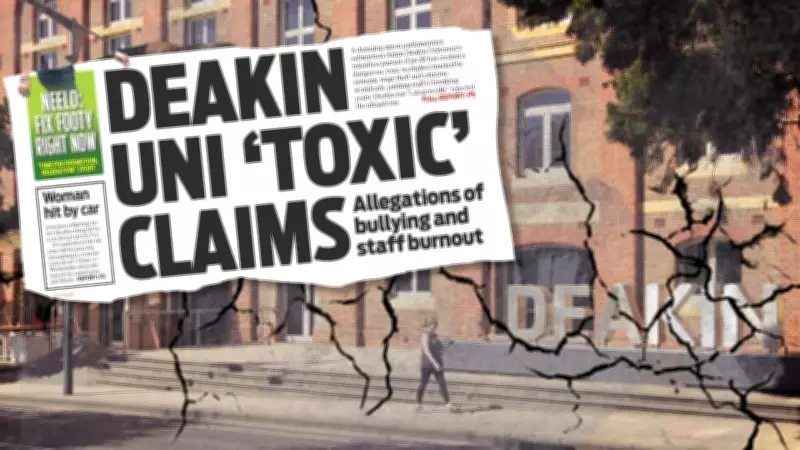
Staff at Deakin University have described the institution as a "dangerous place to work," with widespread reports of bullying, understaffing, and a toxic culture that is taking a toll on mental health. In a series of interviews, employees shared harrowing experiences, including unreasonable workloads, lack of support from management, and a fear of speaking out.
Unsafe Working Conditions
Multiple staff members, who spoke on condition of anonymity, detailed a workplace where stress and anxiety are rampant. One employee stated, "It's become a dangerous place to work. The pressure is relentless, and there's no regard for our wellbeing." Another described feeling "constantly on edge," with unrealistic expectations leading to burnout. The concerns span across various departments, from academic to administrative roles.
Bullying and Intimidation
Bullying is a recurring theme, with staff alleging that managers often engage in intimidating behavior. "People are scared to speak up because they fear retaliation," a long-time staff member said. "If you raise an issue, you're labeled as difficult." The university has policies in place, but employees claim they are not enforced effectively, leaving victims with little recourse.

Understaffing and Overwork
Chronic understaffing has exacerbated the situation, with employees forced to take on additional duties without extra pay or recognition. "We're expected to do the work of two or three people," a staff member explained. "It's unsustainable, and it's affecting our health." The resulting fatigue has led to increased sick leave and a high turnover rate, further straining remaining staff.
Mental Health Impact
The psychological toll is significant, with many staff reporting symptoms of anxiety, depression, and insomnia. Some have sought counseling or taken leave to cope. "I've never felt so low in my life," one employee confessed. "The job has broken me." Others expressed concern that the university's focus on rankings and financial performance overshadows the wellbeing of its workforce.
Calls for Change
Staff are calling for immediate action, including a review of workplace culture, independent investigations into complaints, and better support systems. "We need genuine change, not just empty promises," a staff representative said. The National Tertiary Education Union (NTEU) has also voiced concerns, urging the university to address the systemic issues.
University Response
In response, a Deakin University spokesperson acknowledged the feedback and stated that the university is committed to providing a safe and supportive work environment. They highlighted existing programs such as the Employee Assistance Program and leadership training. However, staff argue that these measures are insufficient and that a cultural shift is necessary.
As the debate continues, the situation at Deakin University serves as a stark reminder of the challenges facing higher education institutions in prioritizing staff welfare amidst growing pressures.