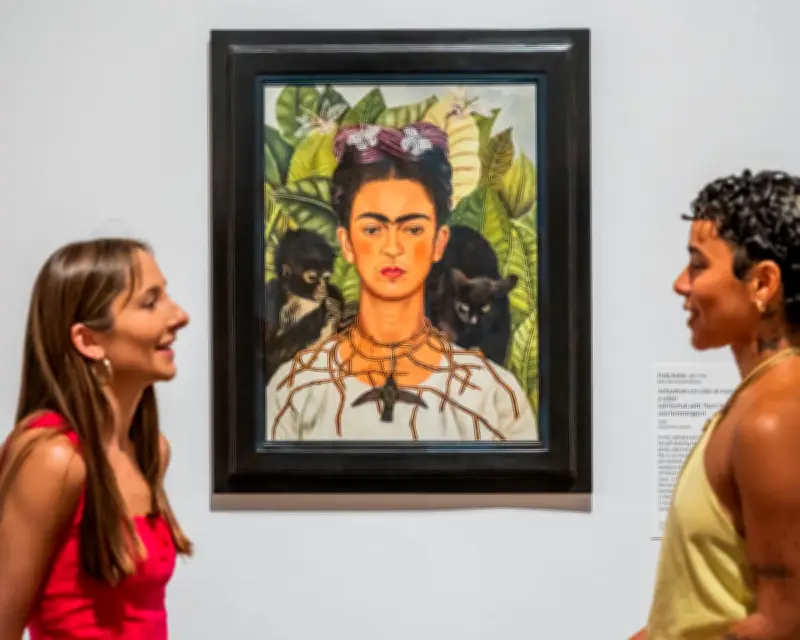
The Guardian has weighed in on the delicate balance between celebrating Frida Kahlo's artistic and political legacy and the rampant commercialisation of her image. In a recent editorial, the publication argues that while Kahlo's status as an icon is well-deserved, there is a thin line between canonisation and commodification.
The Rise of a Global Icon
Frida Kahlo, the Mexican painter known for her self-portraits and works inspired by nature and artifacts of Mexico, has become a global symbol of resilience, feminism, and indigenous culture. Her face adorns everything from T-shirts to tote bags, and her image is used in advertising campaigns for major brands. According to the editorial, this widespread commercial use risks reducing her complex life and art to a mere logo.
Commercialisation Concerns
The Guardian notes that Kahlo's image is often stripped of its political context. She was a committed communist and an advocate for indigenous rights, but many commercial products ignore these aspects. The editorial cites the example of a fashion brand using her likeness without acknowledging her political beliefs. This trend, the paper argues, can lead to a sanitised version of Kahlo that is palatable for mass consumption.

Canonisation vs Commercialisation
The editorial draws a distinction between canonisation—the process of recognising an artist's enduring importance—and commercialisation, which can trivialise that importance. While Kahlo's inclusion in museums and academic curricula is a form of canonisation, the rampant use of her image in marketing can undermine her legacy. The Guardian quotes an art historian who says, “Kahlo's image has become a brand, and brands are apolitical. That's the danger.”
Impact on Legacy
The commercialisation of Kahlo's image has real consequences. It can lead to a superficial understanding of her work and life. For instance, her physical and emotional pain, which she often depicted in her paintings, is glossed over in favour of a more marketable image of strength. The editorial argues that this can distort the public's perception of her art.
Balancing Act
The Guardian acknowledges that some level of commercialisation is inevitable for any widely recognised figure. However, it calls for a more thoughtful approach. The editorial suggests that companies and institutions should engage with Kahlo's full story, including her political activism and personal struggles. It also encourages consumers to seek out authentic representations of her work.
Conclusion
The Guardian's view on Frida Kahlo serves as a cautionary tale about the risks of turning complex historical figures into commodities. While her canonisation as an artist is important, it must be done in a way that respects her true legacy. As the editorial concludes, “We must ensure that the icon does not eclipse the artist.”