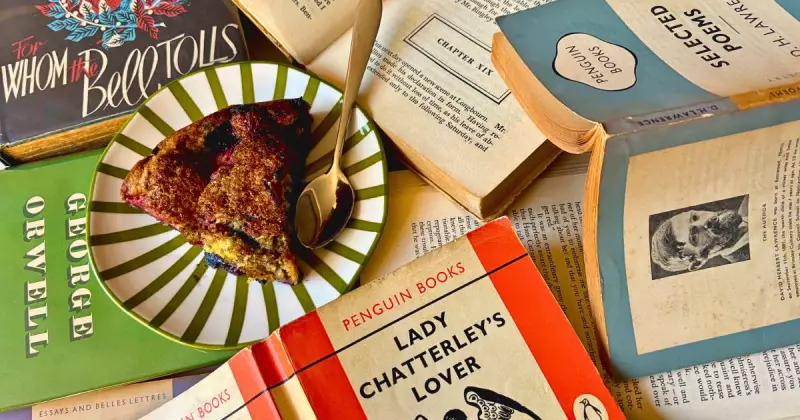
What do Maya Angelou's caramel cake, Ernest Hemingway's fried trout, and DH Lawrence's speculative fruit cake have in common? They offer a deliciously intimate glimpse into the lives of some of the world's most celebrated authors. A new cookbook is serving up more than just recipes; it's dishing out a unique form of literary biography.
The Strange Fascination with How Writers Live
Readers have long been captivated by the quirks and habits of their favourite authors. The brand of their notebook, the time of day they write, even their preferred pencil – all are scrutinised by those hoping to unlock a secret creative formula. Yet, as any working writer knows, this mimicry rarely produces great prose. Writing is a hard, idiosyncratic craft that demands practice, care, and innate talent.
Amid this fascination, one fundamental aspect of the writer's life is often overlooked: they have to eat. This simple fact is the delicious premise behind Valerie Stivers' new book, 'The Writers' Table: Famous Authors and their Favourite Recipes', published by Frances Lincoln for $39.99. Moving beyond her earlier work cooking food from the pages of novels for The Paris Review, Stivers now delves into the actual meals that fuelled literary genius.

A Menu of Literary Legends
The book presents a wildly eclectic and sometimes discordant collection of dishes, a testament to the fact that, as Stivers notes, writers are very strange people. The recipes are drawn directly from the authors' lives, not their fiction.
You'll find Jane Austen's white soup (with the caveat that Austen herself did not cook), and Emily Dickinson's coconut cake, reconstructed from a note listing only ingredients. From a young Ernest Hemingway's days as a reporter for the Toronto Star comes his recipe for fried trout cooked 'over coals', a dish he wrote about half a dozen times between 1920 and 1924.
The adventurous eater in Hemingway is also on display; the 22-year-old, writing under a pseudonym, once claimed to have eaten Chinese sea slugs, muskrat, porcupine, and horse meat. Meanwhile, Maya Angelou's caramel cake promises southern sweetness, and Thomas Mann's peculiar habit of eating schnitzel followed immediately by ice cream in mid-century Los Angeles is documented for the curious gourmand.
Baking a Scandal: The DH Lawrence 'Any Fruit' Summer Cake
Faced with an approaching deadline and an Australian summer, one journalist found himself drawn to a recipe inspired by DH Lawrence, the notorious author of Lady Chatterley's Lover and, apparently, a good cook. The cake was supposedly created by Lawrence to apologise to friends after a 'spectacular domestic quarrel' during an ascetic stay in a New Mexico cabin in the mid-1920s.
The 'any fruit' summer cake is deceptively simple: a basic batter of flour, butter, sugar, eggs, and baking soda, topped with more than half a kilo of soft summer fruit. The result, when baked for just under an hour, is a delightfully soft and warm dessert. While not nearly as scandalous as a first furtive read of Lady Chatterley, the cake had its own drama – the weight and liquid from berries like blueberries, raspberries, and strawberries caused the fruit to sink, creating a delicious, if structurally challenged, treat. Firmer fruit, it seems, would yield a different result.
More Than Just a Meal: The Power of Food in Story
Cooking a writer's favourite food becomes a kind of method literary criticism. It evokes the powerful role sustenance plays in narrative itself. One need only recall the black market chocolate, sugar, and jam shared by Julia and Winston in George Orwell's 'Nineteen Eighty-Four' – a rebellious act of taste against totalitarianism. Orwell also makes an appearance in Stivers' book with a boiled apple dumpling from one of his essays on British cooking.

Ultimately, The Writers' Table, evocatively illustrated by Kate Tomlinson, is not a guide to unlocking genius. It won't teach you to write like Hemingway. Instead, it's a joyful compendium that bridges the worlds of books and food, making long-dead literary figures feel vividly, deliciously human. It proves there are enough peculiar and wonderful dishes within its pages to host a truly memorable dinner party. Just be sure to invite your most multilingual, well-read friends first.