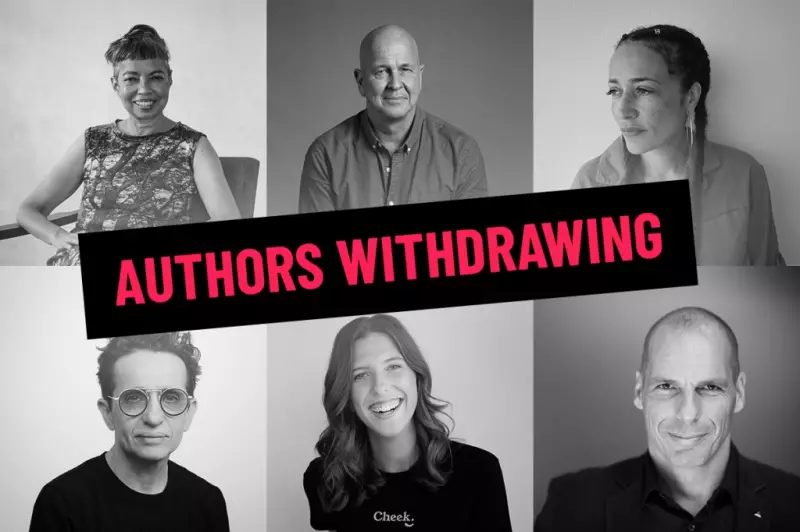
Adelaide's premier literary event has been plunged into turmoil after more than thirty prominent Australian and international authors declared a boycott. The mass withdrawal comes in protest of the festival board's controversial decision to remove a high-profile Palestinian author from its 2026 program.
Staff Revolt Against Board Decision
In a significant internal rift, the staff of Adelaide Writers' Week have formally rejected the board's move to axe the author. This rejection was communicated directly to participating writers in an email, which was obtained exclusively by InDaily. The staff's dissent highlights the deep division the decision has caused within the festival's own organisation.
The email reveals the team's direct opposition to the board's action, framing it as a pivotal moment for the event's integrity. This internal conflict has now spilled into public view, triggering a wave of solidarity from the literary community.

A Literary Exodus of High-Profile Names
The boycott has rapidly gained momentum, with a formidable list of writers pulling out of the festival. More than 30 authors have now joined the protest, dealing a major blow to the event's lineup and prestige.
Among the leading figures who have withdrawn their participation are:
- Acclaimed Australian novelist Michelle de Kretser.
- Journalist and academic Peter Greste.
- Internationally renowned writer Zadie Smith.
- Author and journalist Masha Gessen.
- Literary agent and advocate Hannah Ferguson.
- Former Greek finance minister and economist Yanis Varoufakis.
This collective action represents one of the most significant boycotts in recent Australian literary festival history, raising serious questions about censorship and cultural dialogue.
Consequences and a Festival in Peril
The exodus of such a substantial portion of its headline talent has left Adelaide Writers' Week facing what some insiders describe as its 'dark days'. The festival, scheduled for early 2026, now risks being fundamentally reshaped, if not severely diminished, by the controversy.
The situation underscores the growing pressure on cultural institutions to navigate complex geopolitical issues. The board's decision, intended perhaps to avoid controversy, has instead ignited a firestorm of criticism and a powerful statement from the literary community on principles of inclusion and freedom of expression.
As of January 9, 2026, the festival organisers face the immense challenge of salvaging the event's reputation and program. The widespread boycott signals a firm stance from a global cohort of writers, potentially setting a precedent for how similar conflicts are handled in the future.