For many travellers to Bali, the island's rich cultural tapestry is a major drawcard. Yet, a recent exploration of Sanur's artistic offerings revealed a stark contrast between neglected heritage and vibrant, offbeat creativity, serving as a potent lesson for visitors.
The Fading Legacy of Le Mayeur Museum
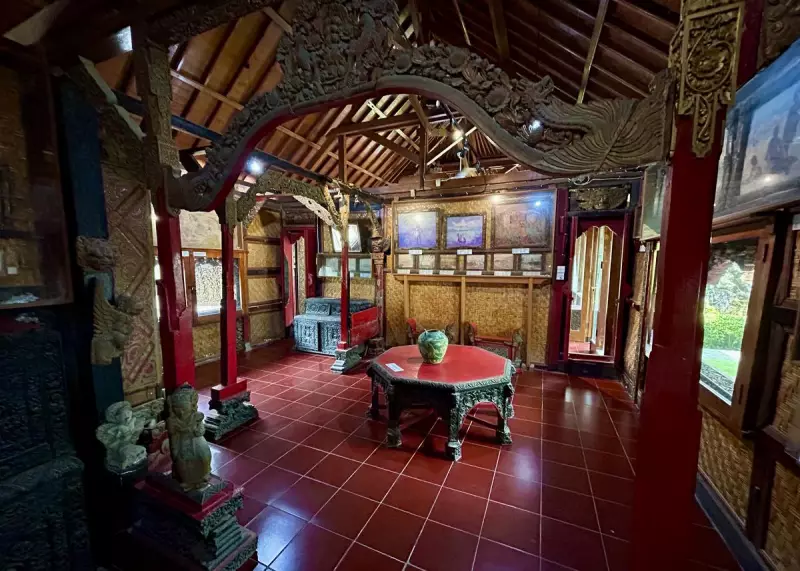
Long a fixture on many a Bali bucket list, the Le Mayeur Museum on Sanur's beachfront presents a sobering sight. The museum, which is the former home and studio of Belgian painter Adrien-Jean Le Mayeur, houses more than 80 of his oil paintings. Le Mayeur arrived in Bali in the 1930s, living there for over 25 years and famously marrying his young Balinese muse, Ni Pollok, when she was 18.
After his death from ear cancer in Belgium in 1958, he left the villa and art to Ni Pollok. She later bequeathed the estate to the government to become a museum. Today, however, the institution is caught in a state of visible decline. Nestled between towering hotels with minimal signage, it's easily missed by passersby.

The $10 entry fee feels steep given the conditions inside. The buildings housing the paintings, along with Le Mayeur's collection of Balinese wood carvings and furniture, are falling into disrepair. Many light fixtures have blown bulbs that remain unreplaced. Most critically, the artworks themselves—including masterpieces on oil, canvas, and even sackcloth from the WWII Japanese occupation—are simply hung behind glass without climate control.
The result is heartbreaking: every single piece has suffered damage. Colours have faded and canvas edges are gnarled, a clear casualty of the tropical climate. It stands as a profound loss, a crime against cultural and artistic history.
Seeking Redemption at Di Sanur Art Hub
Seeking solace after the museum's disappointment, the search for a meal led to an unexpected discovery. A 15-minute motorbike ride from the beach, on the 'other' side of Sanur's highway, lies Di Sanur Art Hub. Located at Jalan Kutat Lestari VI, No 88A, this venue is a world away from the tourist track, surrounded by pockets of surviving rice fields.
The space blends industrial design with a garden dining area, offering a slice of Ubud's artistic vibe in Sanur. It currently showcases the intense works of Apel Hendrawan, a Hindu priest with full-body tattoos. His art, born from a period of incarceration at Bangli Insane Asylum following a drug overdose, is unflinchingly dark. The paintings feature mountains of skulls, demonic figures, and graphic depictions of hell, representing his "battle with the forces of dark and light."
While Apel's talent is undeniable, the thematic weight is heavy. The dining experience proved a mixed bag. A $3 Bintang beer was a bargain, and a tuna tataki for $6 was decent. However, a Caesar salad drowned in sickly-sweet mayonnaise was memorably revolting.
A Lesson in Managing Expectations
The day concluded with a sudden tropical downpour, forcing a reflective pause. The experience underscores a modern travel dilemma: the often-over-romanticised bucket list item versus the genuine, unvarnished find. The Le Mayeur Museum, a site of immense historical importance, is a victim of neglect, its treasures literally fading away. Meanwhile, places like Di Sanur Art Hub pulse with raw, contemporary energy, yet can deliver uneven experiences.
For travellers, the lesson might be to temper expectations for iconic sites and remain open to the unexpected. Both venues are open to the public: the museum from 8am to 4.30pm and the art hub from 8am to 10pm. The true state of Bali's cultural preservation, it seems, lies not just in its famous landmarks, but in the stories found both in the spotlight and the shadows.