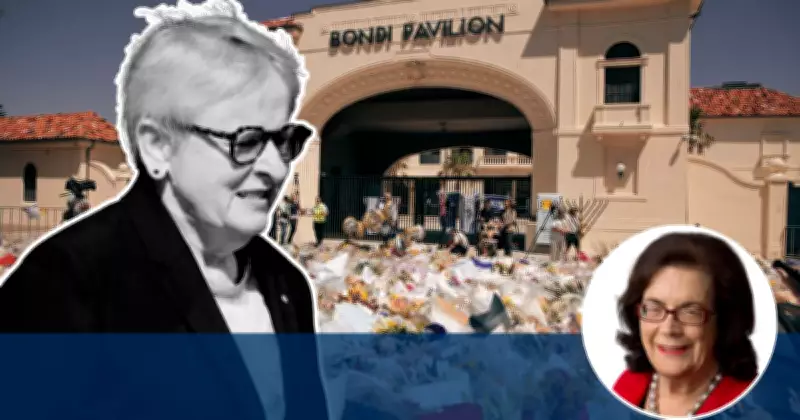
Michelle Grattan, a prominent political commentator, has weighed in on the recently released interim report on anti-Semitism, stating that it raises more questions than it answers. The report, which examines the rise of anti-Semitic incidents across Australia, has sparked a national conversation about the effectiveness of current measures and the need for further action.
Key Findings of the Report
The interim report highlights a significant increase in anti-Semitic attacks, particularly in major cities like Sydney and Melbourne. It notes that many incidents go unreported due to fear or lack of trust in authorities. The report calls for better data collection and community engagement to address the issue.
Political Reactions
Grattan points out that the report has divided political opinion. Some politicians argue that the current laws are sufficient but poorly enforced, while others demand new legislation to combat hate crimes. The opposition has criticized the government for not doing enough, while the government insists it is taking the matter seriously.

Community Impact
Jewish community leaders have expressed mixed feelings about the report. While many welcome the attention, they worry that without concrete action, the problem will persist. Grattan emphasizes the need for bipartisan support to implement the report's recommendations effectively.
New Questions Raised
Grattan identifies several unresolved issues: Are existing hate crime laws adequate? How can authorities encourage more reporting? What role should education play in preventing anti-Semitism? The report suggests a national strategy, but Grattan questions whether this is feasible given the current political climate.
She also highlights the challenge of balancing free speech with the need to protect minority groups. The report does not fully address how to define anti-Semitism in public discourse, leaving room for interpretation. Grattan calls for a broader conversation that includes all stakeholders.
Looking Ahead
The final report is due in six months. Grattan predicts that the debate will intensify as the next federal election approaches. She urges lawmakers to prioritize this issue and avoid partisan bickering. The interim report, she concludes, is a wake-up call that demands a unified response.