West Australian teenagers are voicing a complex mix of apprehension, support, and scepticism as the state government moves closer to implementing a ban on social media for those under 16. The proposed policy, a first-of-its-kind move in Australia, has sparked a vital conversation among the very demographic it aims to protect.
Teen Perspectives: Safety vs. Social Connection
Premier Roger Cook announced the government's intention to trial an age verification technology, with the goal of restricting access to platforms like Instagram, TikTok, and Snapchat for younger users. For many teens, this news hits at the heart of their daily social lives and information networks.
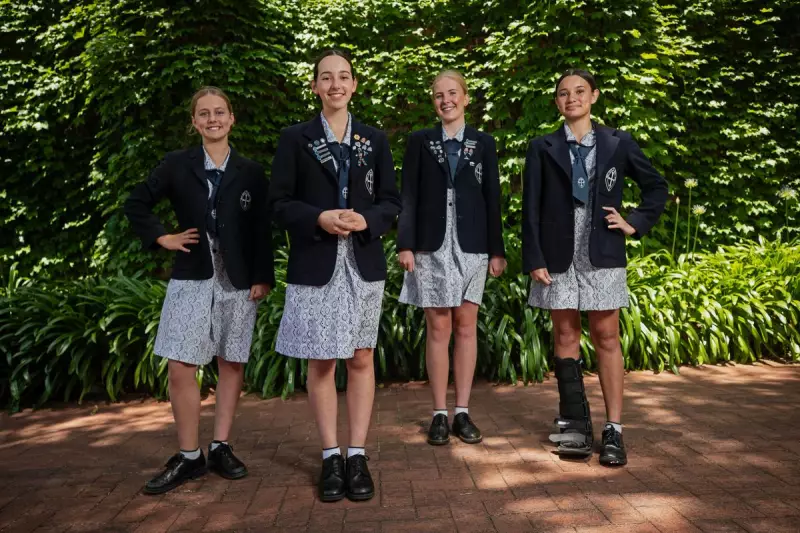
Year 10 student Lily, 15, expressed strong support for the idea, citing the pervasive negative impacts she witnesses. "I think it's a really good idea," she stated. "Social media is a really toxic place... it's really damaged our generation." She highlighted issues like cyberbullying and the constant pressure to conform to unrealistic standards as key reasons for backing the ban.

Conversely, Year 11 student Tom, 16, acknowledged the problems but questioned the solution. "I think social media is a problem, but I don't think banning it is the way to go," he argued. He pointed out the practical difficulties, suggesting that determined teens would find workarounds, such as using a parent's account or lying about their age. His view underscores a common concern about the enforceability of such a sweeping restriction.
The Premier's Stance and Implementation Challenges
Premier Cook has positioned the ban as a necessary measure for child safety, emphasising the links between social media use and poor mental health, bullying, and disrupted sleep in young people. "We know social media is having a damaging impact on the mental health of our young people," he said, framing the government's action as a protective step.
However, the path to implementation is fraught with technical and legal hurdles. The state government admits it cannot act alone and is seeking a co-operative approach with the Commonwealth. A key part of the plan involves piloting an age assurance technology to verify users' ages without collecting excessive personal data. The success of the ban hinges on this technology's effectiveness and the willingness of social media giants to comply—a significant challenge given their global reach and existing policies.
A Divided Verdict from the Schoolyard
The debate among teenagers reflects the broader societal split on the issue. Some, like Lily, see it as a long-overdue intervention. Others fear it will cut them off from crucial peer networks, educational resources, and creative outlets. Many share Tom's pragmatic doubt that a ban can be effectively policed in the digital age.
This ground-level feedback from WA's youth is critical as the government fine-tunes its proposal. It highlights that while the risks of social media are widely acknowledged, the best method to mitigate them—whether through outright bans, better education, improved parental controls, or platform regulation—remains hotly contested. The state's ambitious plan will continue to evolve, but the voices of those it most affects will be essential in shaping its final form and assessing its real-world impact.