In a significant move to address teacher shortages and enhance practical training, the South Australian Labor government has unveiled a bold new policy for aspiring educators. If re-elected, Labor promises to implement an 'earn while they learn' initiative, enabling teaching students to gain hands-on classroom experience well before graduating.
Early Classroom Immersion for Future Educators
Under this proposed scheme, student teachers would be placed directly into SA classrooms from the very beginning of their studies. This approach aims to bridge the gap between theoretical learning and real-world teaching, providing invaluable on-the-job training. By working alongside experienced educators, students can develop essential skills early, potentially improving retention rates and job readiness upon graduation.
Addressing Teacher Shortages and Improving Training
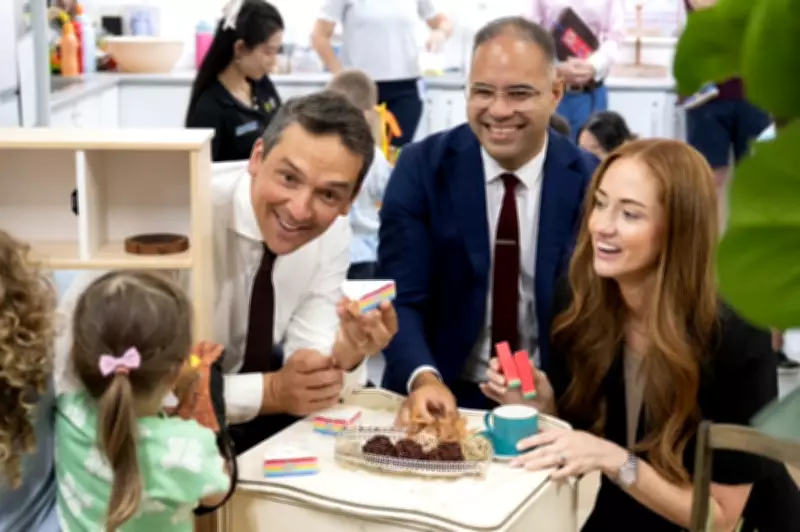
The policy is designed to tackle persistent teacher shortages across South Australia by fast-tracking the pipeline of qualified professionals. Education Minister Blair Boyer, who recently launched three-year-old preschool reforms, emphasised the dual benefits of this initiative. Not only would it offer financial support to students through paid placements, but it also ensures schools have additional support staff, creating a win-win situation for the education sector.

This announcement comes as part of Labor's broader education strategy, which includes recent preschool reforms aimed at expanding early childhood access. The 'earn while you learn' model could revolutionise teacher training in SA, aligning with global trends that prioritise practical experience over purely academic coursework.
Potential Impacts and Implementation Details
If implemented, the program would require careful coordination between universities, schools, and the government to ensure quality supervision and meaningful learning outcomes. Key aspects of the policy include:
- Structured placements that complement university studies
- Mentorship from qualified teachers to guide student development
- Financial remuneration for students, making education more accessible
- Enhanced support for schools struggling with staff shortages
This initiative reflects a growing recognition of the need for innovative solutions in teacher education, particularly in regions facing demographic and resource challenges. As the election approaches, this promise is likely to spark debate about the future of education in South Australia and the best ways to prepare the next generation of teachers.