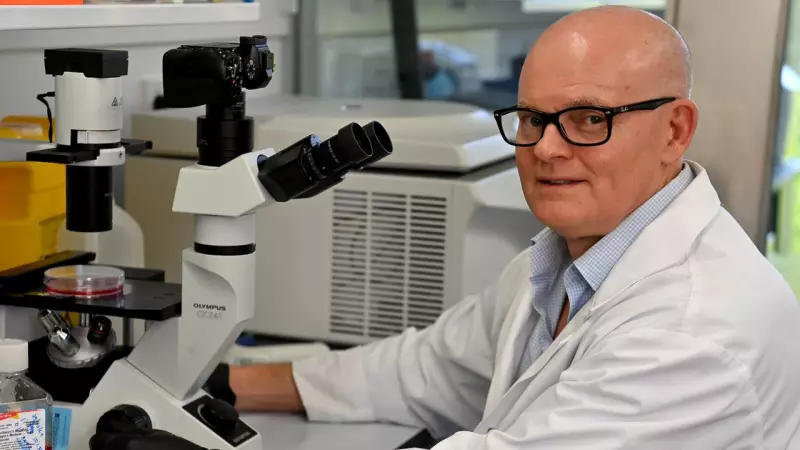
In a classic tale of perseverance triumphing over initial rejection, a dedicated scientist from Townsville has transformed a dismissed idea into a lucrative international agreement with a beauty industry giant.
From Laboratory Setback to Commercial Breakthrough
The story centres on Dr Kirsten Heimann, a senior lecturer and researcher at James Cook University (JCU) in Townsville. Her journey began with a research proposal focused on a specific type of collagen derived from marine sources, which she believed held significant potential for skincare applications.
Initially, her funding application to the Australian Research Council (ARC) was unsuccessful, deemed too commercially focused. Rather than abandoning the project, Dr Heimann and her team chose to press forward, driven by their conviction in the science. They continued their work, exploring the unique properties of collagen from the Acropora millepora coral and other marine organisms.

This persistence laid the groundwork for a pivotal partnership with a major global player. The French multinational beauty and cosmetics corporation, L'Oréal, through its Australian research arm, took a keen interest in the JCU team's findings. This led to a formal collaboration agreement signed in late 2023, a deal that promises to bring North Queensland's scientific innovation to a worldwide market.
The Science Behind the Success
The research spearheaded by Dr Heimann investigates sustainable methods for producing high-quality, bioactive marine collagen. This material is prized in the cosmetics industry for its potential benefits in promoting skin elasticity and repair.
The collaboration with L'Oréal is not a simple sale of an idea; it is a structured research partnership. It involves joint development work where JCU's expertise in marine biochemistry and sustainable biomaterials meets L'Oréal's vast experience in product formulation and clinical testing. The deal includes provisions for commercialisation, meaning JCU and the researchers stand to benefit financially if products derived from the research are successfully brought to market.
This model highlights a growing trend where academic research directly informs and creates commercial opportunities, moving beyond traditional publishing into tangible, market-ready innovations.
Implications for Regional Innovation and Economy
The significance of this deal extends far beyond the laboratory walls. It serves as a powerful case study for regional universities and researchers across Australia, demonstrating that world-leading innovation can originate outside traditional capital city hubs.
For Townsville and North Queensland, it underscores the economic and reputational value of investing in local research capabilities. James Cook University has established itself as a leader in marine and tropical science, and this partnership validates that position on an international stage. It attracts attention, potential future investment, and can inspire students to pursue careers in scientific research, knowing it can lead to global impact.
The story of Dr Heimann's journey from a rejected grant application to a deal with a beauty titan is a testament to tenacity. It proves that a good idea, backed by solid science and unwavering commitment, can find its path to success, putting Australian research firmly on the global map.