Parents across the Australian Capital Territory are facing significant increases in private school fees for the 2026 academic year, with most non-government institutions raising their charges by between five and ten per cent.
Leading the Fee Hikes: Radford and Daramalan
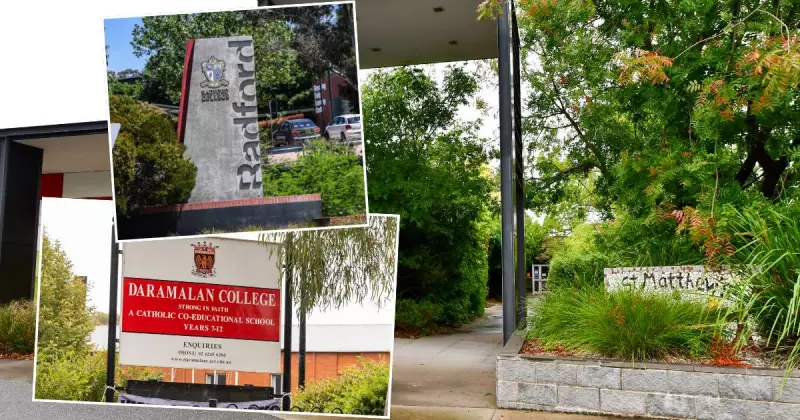
Radford College has announced the most substantial fee rise, both in percentage and dollar terms. The school has become the centre of parent pushback after revealing that financial mistakes from 2024 were a key driver for the increases. While Year 12 fees will climb by 15 per cent, parents of students in Years 7 and 8 will be hit hardest, facing a steep 23 per cent rise.
Following closely is Daramalan College, which has recorded a staggering 146 per cent cumulative increase in fees between 2021 and 2026. The cost for a Year 12 student has leapt from $6,830 in 2021 to a projected $15,040 in 2026. Principal Rachel Davies informed parents that the school's parental income scores, calculated using Australian Taxation Office data, indicated families had the capacity to contribute more.

The Driving Forces Behind the Rises
The sector is grappling with a perfect storm of rising costs. Schools cite escalating insurance premiums, increased expenses for educational resources, and a critical decline in federal government funding as the primary reasons for the fee adjustments.
Since 2018, federal funding for non-government schools has been tied to the assessed income of parents, creating a variable model that impacts schools differently each year. This direct link between parental capacity to pay and government support has forced many schools to pass costs directly to families.
Catholic Education Canberra Goulburn executive director David de Carvalho explained that education-specific inflation is outpacing general inflation. "Increases in insurance as well as school resources were driving the need for higher fees," he stated. For the first time, systemic Catholic high school fees were set by a central board to try and curb ongoing large increases.
A Notable Exception and Systemic Changes
In a contrasting move, Brindabella Christian College has reduced some fees under its new ownership by Christian Community Ministries. The school has scrapped a $1800 per family capital levy for 2026. Fees for Kindergarten to Year 2 will decrease by 6.38 per cent, while Years 9 to 12 will see a $30 reduction. However, fees for Years 3 to 6 will still increase by between 3.5 and 5 per cent.
Meanwhile, Canberra's Catholic primary schools are being phased into a unified fee system, leading to increases of between 5.3 and 10 per cent for 2025. Schools with lower starting points are experiencing the higher end of that range.
The financial pressure on Canberra families choosing independent education is mounting, with schools balancing budgetary realities against affordability. While some institutions offer scholarship programs and concessions, the overarching trend points to a more expensive private education landscape in the nation's capital.