Why the Australia-EU Trade Deal Falls Short for Beef Producers
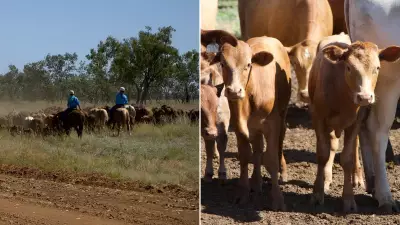
The recently negotiated free trade agreement between Australia and the European Union has been met with disappointment by the nation's beef farming sector. While the deal aims to enhance bilateral trade, it provides only marginal benefits for Australian beef exporters, raising concerns about its effectiveness in supporting agricultural growth.
Limited Quotas and High Tariffs Restrict Market Access
Under the terms of the agreement, Australian beef farmers face significant barriers when attempting to access European markets. The deal includes restrictive quotas that cap the volume of beef exports allowed into the EU, coupled with high tariffs that make it economically challenging for producers to compete. These limitations effectively reduce the potential for increased sales and profitability for the industry.
Agricultural experts argue that the quotas are insufficient to meet the demand for high-quality Australian beef in Europe. The current allocation fails to reflect the capacity of Australian farmers, who are renowned for their sustainable and premium products. This shortfall in market access undermines the deal's promise of fostering stronger trade relationships and economic benefits.

Impact on Farming Communities and Economic Viability
The trade deal's shortcomings have direct implications for rural communities across Australia. Beef farming is a cornerstone of many regional economies, and limited export opportunities can lead to reduced income and job losses. Farmers express frustration over the missed chance to expand their operations and invest in innovation due to the constrained market conditions imposed by the agreement.
Moreover, the high tariffs associated with the deal add to the financial burden on producers. These costs can erode profit margins, making it difficult for small and medium-sized farms to remain competitive. The overall effect is a dampening of growth prospects within the beef industry, which could have broader repercussions for Australia's agricultural sector.
Comparative Analysis with Other Trade Agreements
In contrast to the Australia-EU deal, other trade agreements negotiated by Australia have offered more favorable terms for agricultural exports. For instance, agreements with countries in Asia have provided beef farmers with greater market access and lower tariffs, leading to increased export volumes and revenue. This disparity highlights the need for more balanced negotiations in future trade deals to ensure equitable benefits for all sectors.
The EU deal's focus on protecting its own agricultural interests, particularly through stringent quotas, has been cited as a key factor in its limitations. While the agreement may benefit other industries, such as services or manufacturing, it falls short in addressing the specific needs of beef producers, who are seeking to capitalize on global demand for their products.
Future Prospects and Advocacy for Change
Looking ahead, there are calls for renegotiation or supplementary agreements to improve conditions for Australian beef farmers. Industry groups are advocating for increased quotas and reduced tariffs to align with the goals of free trade and mutual economic gain. Engaging in dialogue with EU counterparts is seen as essential to achieving a more balanced outcome that supports sustainable farming practices and market expansion.
In conclusion, the Australia-EU trade deal represents a missed opportunity for beef farmers, with its restrictive terms hindering export growth and economic viability. As global trade dynamics evolve, it is crucial for future negotiations to prioritize the interests of agricultural producers to ensure a robust and resilient farming industry in Australia.