Historic EU-Australia Free Trade Agreement Finalised with Mixed Reactions
In a landmark development for international commerce, the European Union and Australia have officially signed a comprehensive free trade agreement, marking a significant milestone in bilateral relations. The deal, which was finalised in March 2026, promises to reshape trade flows between the two regions, with notable implications for key Australian industries.
Wine Industry Celebrates Duty-Free Access to European Markets
Local winemakers, particularly those in South Australia, are jubilant over the agreement's provisions that grant duty-free access to the lucrative European market. This breakthrough is expected to boost exports significantly, providing a substantial economic lift to the region's renowned wine producers. The elimination of tariffs will enhance competitiveness, allowing Australian wines to reach more consumers across Europe at more attractive price points.
Additionally, the deal includes benefits for consumers, with cheaper French champagne anticipated to become available in Australia, offering greater variety and affordability for enthusiasts.

Livestock Sector Expresses Disappointment Over 'Feta' Restrictions
However, not all sectors are celebrating. The head of South Australia's peak livestock industry body has voiced clear disappointment regarding the agreement's terms. A contentious point involves the protection of geographical indications, which will prevent Australian producers from using the term 'feta' for cheese products, as it is reserved for specific European regions.
This restriction has sparked concerns within the dairy industry, potentially impacting local producers who have historically used the name.
Copper Exports Poised for Significant Growth
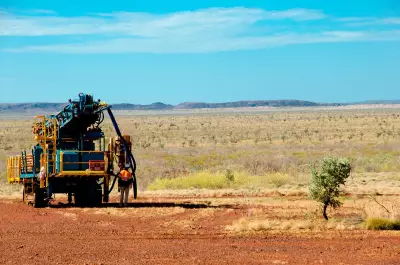
On a more positive note, the trade deal is set to catalyse a boom in copper exports from Australia to the European Union. With reduced trade barriers, Australian mining companies can expect increased demand and streamlined access to European markets, bolstering the national economy and supporting jobs in the resources sector.
Key Signatories and Future Implications
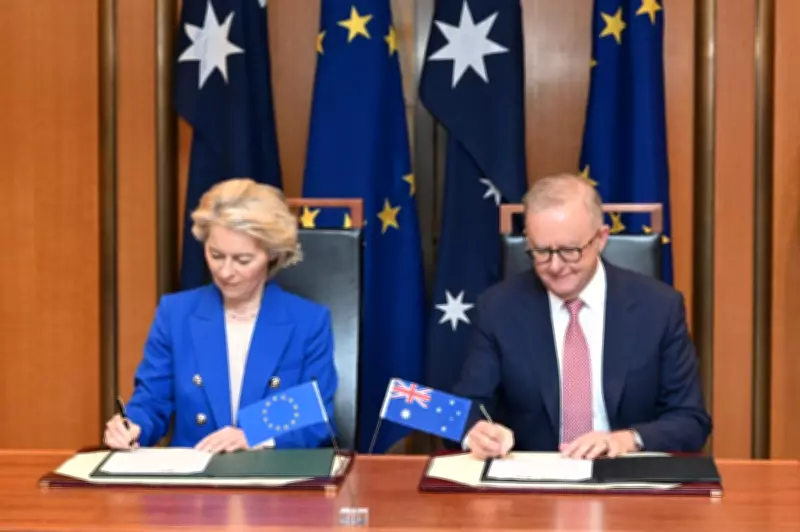
The agreement was formally signed by European Commission President Ursula von der Leyen and Australian Prime Minister Anthony Albanese, symbolising a strengthened partnership between the two entities. As the deal moves towards implementation, stakeholders across various industries are closely monitoring its effects, anticipating both opportunities and challenges in the evolving trade landscape.