Tourism Industry Suffers $854 Million Daily Losses Due to Middle East Conflict
The ongoing US/Israeli war with Iran is imposing a staggering financial toll on the global travel and tourism sector, with estimates from the World Travel and Tourism Council revealing daily losses of at least $854 million. This crisis has severely disrupted air travel operations and significantly undermined traveller confidence worldwide, creating widespread economic repercussions for airports, airlines, hotels, and cruise lines.
Disruption to Major Aviation Hubs and Global Transit
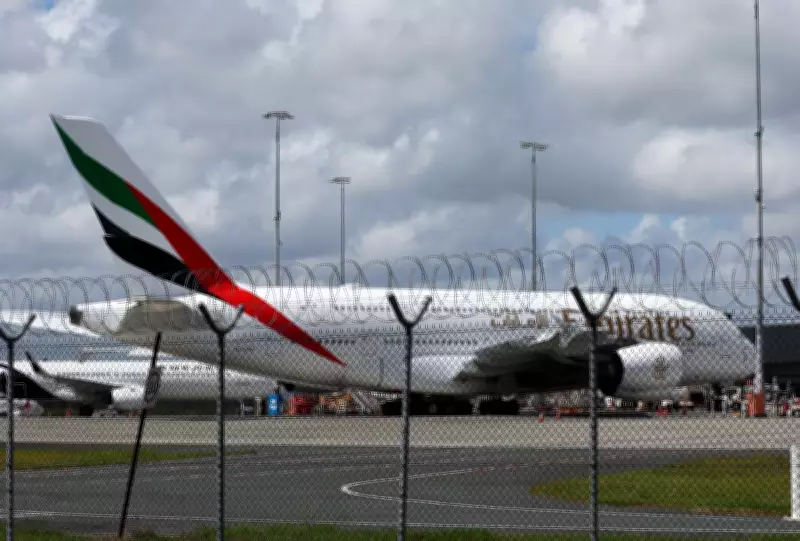
Typically, around 526,000 passengers pass through key Middle Eastern aviation hubs each day, including major airports in Dubai, Doha, Abu Dhabi, and Bahrain. The region accounts for five per cent of global international arrivals and a substantial 14 per cent of international transit traffic, making any disruption here a critical issue for global travel networks. A spokesperson for the WTTC emphasized that such interruptions directly affect demand across the world, impacting not only flights but also related hospitality and maritime industries.
WTTC's analysis is grounded in its pre-conflict forecast for 2026, which projected $294 billion in international visitor spending across the Middle East this year. However, the current conflict has derailed these expectations, leading to significant financial setbacks and operational challenges for the sector.

Resilience and Recovery Prospects in Travel and Tourism
Despite the severe impact, Gloria Guevara, president and CEO of the WTTC, highlighted the inherent resilience of the travel and tourism industry. She noted that historical data shows the sector can recover rapidly, particularly when governments provide support through measures like hotel assistance or repatriation efforts for travellers. Guevara stated, "Travel and tourism is the most resilient of sectors. History shows that the sector can recover quickly, especially when governments support travellers through hotel support or repatriation."
Further analysis of past crises indicates that security-related incidents often see the fastest tourism recovery times, sometimes as brief as two months, when there is effective collaboration between governments and the private sector to restore traveller confidence. Guevara commended governments for their tireless work in recent days to bolster recovery efforts, stressing that clear communication, strong coordination, and safety measures are essential for rebuilding trust and supporting the sector's rebound.
The ongoing situation underscores the interconnected nature of global tourism, where conflicts in one region can have far-reaching effects on international travel patterns and economic stability. As the industry navigates these challenges, the focus remains on fostering resilience and swift recovery through coordinated action and strategic support mechanisms.