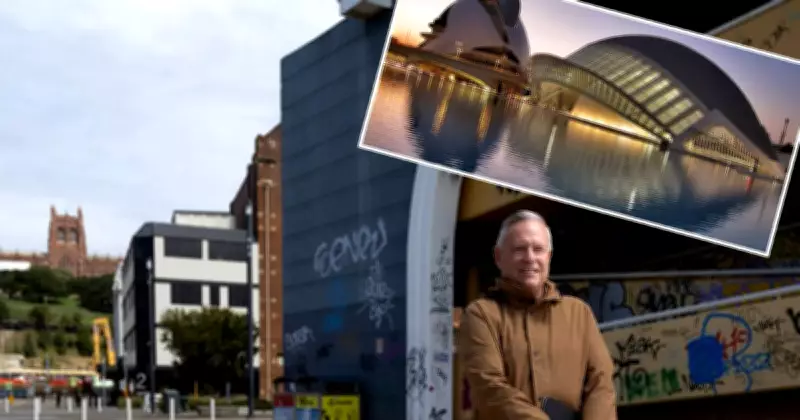
Newcastle's Queens Wharf Redevelopment Set to Transform City's Waterfront
The ambitious redevelopment of Queens Wharf in Newcastle is poised to play a pivotal role in shaping the city's future while forging a deep connection to its rich historical past. This transformative project aims to revitalize the iconic waterfront area, creating a vibrant hub that honors Newcastle's maritime heritage while driving economic and social benefits for the community.
Blending History with Modern Urban Renewal
Queens Wharf, a site steeped in Newcastle's industrial and shipping history, is undergoing a comprehensive redevelopment that seeks to preserve its historical significance while introducing contemporary amenities. The project includes the restoration of heritage-listed structures, such as old warehouses and wharf facilities, which will be repurposed for cultural and commercial uses. This careful integration of old and new is designed to celebrate the city's roots as a major port, ensuring that future generations can appreciate its legacy.
Key features of the redevelopment plan encompass public spaces, dining venues, retail outlets, and entertainment facilities, all strategically positioned to enhance the waterfront experience. By creating accessible and engaging areas, the project aims to attract both locals and tourists, fostering a sense of community and boosting foot traffic in the region.

Economic and Tourism Impacts
The Queens Wharf redevelopment is expected to deliver substantial economic benefits to Newcastle, including job creation during construction and ongoing employment opportunities in hospitality, retail, and tourism sectors. Projections indicate that the revitalized waterfront could draw increased visitor numbers, contributing to the local economy through spending on accommodations, dining, and attractions.
Moreover, the project aligns with broader urban renewal efforts in Newcastle, such as the revitalization of the city center and improvements to public transport links. By enhancing connectivity between Queens Wharf and other key areas, the redevelopment aims to create a more cohesive and dynamic urban environment, supporting sustainable growth and development.
Community Engagement and Environmental Considerations
Community input has been a cornerstone of the Queens Wharf project, with extensive consultations held to gather feedback from residents and stakeholders. This collaborative approach ensures that the redevelopment meets the needs and aspirations of the local population, incorporating elements like green spaces, pedestrian-friendly pathways, and events that promote cultural activities.
Environmental sustainability is also a priority, with plans to incorporate eco-friendly design features, such as energy-efficient buildings and measures to protect the surrounding marine ecosystem. These initiatives reflect a commitment to responsible development that minimizes environmental impact while maximizing long-term benefits for the city.
In summary, the Queens Wharf redevelopment represents a significant milestone for Newcastle, offering a unique opportunity to honor its past while building a prosperous future. As construction progresses, the project is set to become a landmark destination that showcases the city's evolution and resilience.