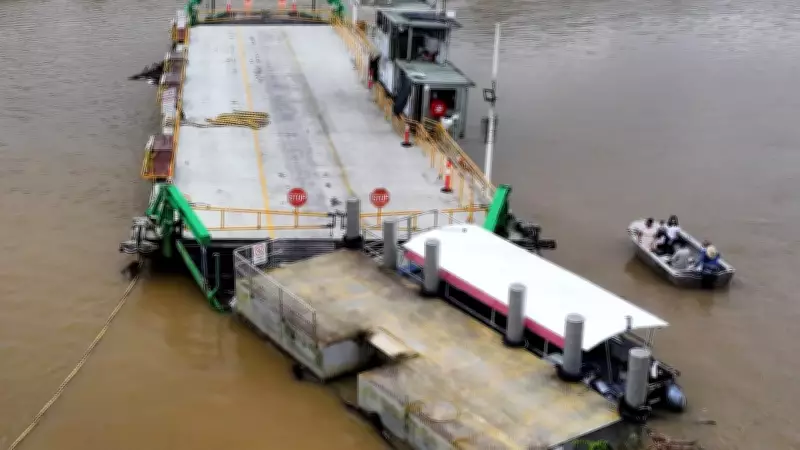
Interim Ferry Service Launched for Daintree Residents After Main Ferry Damage
An interim ferry service has been officially launched to assist residents of the Daintree region in Far North Queensland, who were left stranded after the primary ferry sustained significant damage. This temporary solution aims to restore essential access and transport for the isolated community, which relies heavily on the ferry for daily commutes, supplies, and emergency services.
Impact on Daintree Community and Response Efforts
The damage to the main ferry, which occurred recently due to unforeseen circumstances, has severely disrupted the lives of Daintree residents. Many were cut off from critical services, including healthcare, education, and grocery deliveries, highlighting the region's vulnerability to transportation failures. In response, local authorities and transport agencies have collaborated to deploy an interim ferry, ensuring that residents can continue their routines with minimal interruption.
This interim service is expected to operate until repairs on the damaged ferry are completed, which could take several weeks based on initial assessments. The temporary ferry will run on a modified schedule, prioritizing peak travel times to accommodate the needs of the community. Officials have emphasized that safety protocols are being strictly enforced to prevent any further incidents during this transitional period.

Broader Implications for Regional Infrastructure
The situation underscores the broader challenges faced by remote communities in Australia, where infrastructure failures can have immediate and severe consequences. The Daintree region, known for its lush rainforests and tourism appeal, depends on reliable transport links for both residents and visitors. This incident has sparked discussions about the need for more resilient infrastructure and backup plans to mitigate future disruptions.
Residents have expressed relief at the launch of the interim ferry, noting that it provides a crucial lifeline during this difficult time. However, some have raised concerns about the long-term sustainability of such solutions, calling for investments in more durable ferry systems and improved maintenance schedules. Local leaders are advocating for increased funding and support from state and federal governments to address these infrastructure gaps.
In the meantime, the interim ferry service is set to continue, with regular updates provided to the community on its progress and any changes to the schedule. This effort reflects a proactive approach to crisis management in Far North Queensland, aiming to balance immediate needs with long-term planning for regional stability.