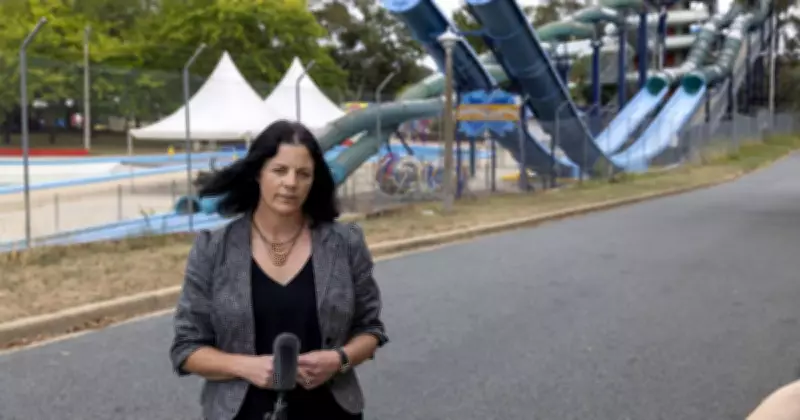
Canberra Water Park's Uncertain Future Ignites Community Debate
The future of a beloved water park in Canberra has become a contentious issue, sparking a heated debate among residents and local officials. The park, a long-standing recreational facility, faces an uncertain path forward, with discussions centering on potential closure, redevelopment, or preservation efforts.
Community Division Over Park's Fate
Residents are deeply divided over the water park's prospects. Some argue that the facility requires significant upgrades and maintenance, making its continued operation financially unsustainable. They suggest that redeveloping the site could provide new community amenities or housing, addressing broader urban needs.
Conversely, many community members passionately advocate for preserving the water park, citing its historical value and role as a family-friendly destination. They emphasize its importance for local tourism, summer activities, and social cohesion, warning that its loss would diminish Canberra's recreational offerings.

Financial and Operational Challenges
The debate is fueled by ongoing financial and operational challenges. Reports indicate that the water park has faced rising maintenance costs, aging infrastructure, and fluctuating attendance numbers. These factors have prompted local authorities to reassess its viability, considering options such as public-private partnerships or complete closure.
Proponents of redevelopment highlight potential economic benefits, including job creation and increased property values. However, opponents counter that these gains might come at the expense of community heritage and affordable leisure options for families.
Local Government's Role in Decision-Making
Local government officials are now at the center of this debate, tasked with balancing community sentiment against practical considerations. Public consultations and feasibility studies are underway to gather input and analyze potential outcomes. The decision-making process is expected to involve multiple stakeholders, including residents, business owners, and environmental groups.
Some officials advocate for a compromise, such as partial redevelopment while retaining key water features. Others push for a clear resolution, whether through investment in renovations or a definitive closure plan.
Broader Implications for Urban Planning
This controversy reflects broader themes in urban planning, such as the tension between development and preservation. As Canberra grows, similar debates may arise over other recreational spaces, highlighting the need for strategic long-term planning.
The water park's situation also raises questions about sustainable tourism and community engagement in decision-making processes. Experts suggest that transparent dialogue and inclusive policies are crucial to resolving such disputes amicably.
Ultimately, the outcome will set a precedent for how Canberra manages its public assets in the face of changing demographics and economic pressures. Residents await further updates, hoping for a solution that respects both progress and tradition.