Borneo's Innovative Safari Experience in a Timber Plantation
In the heart of Borneo, a groundbreaking safari initiative is challenging traditional notions of wildlife conservation by operating within a timber plantation. Beluran Safaris, located in the vast Segaliud Lokan plantation near Sandakan, offers a unique blend of tourism and environmental stewardship, proving that even modified landscapes can support biodiversity.
A New Approach to Wildlife Habitat
Led by Shavez Cheema, founder of the NGO 1StopBorneo Wildlife, this project collaborates with landowners to preserve forest corridors and slivers within plantations. By conducting jeep safaris along existing logging roads, the initiative provides tourists with an accessible way to observe wildlife without the need for extensive trekking. "It can be a win-win situation," Cheema explains, highlighting how tourism funds conservation while plantations adopt more sustainable practices.
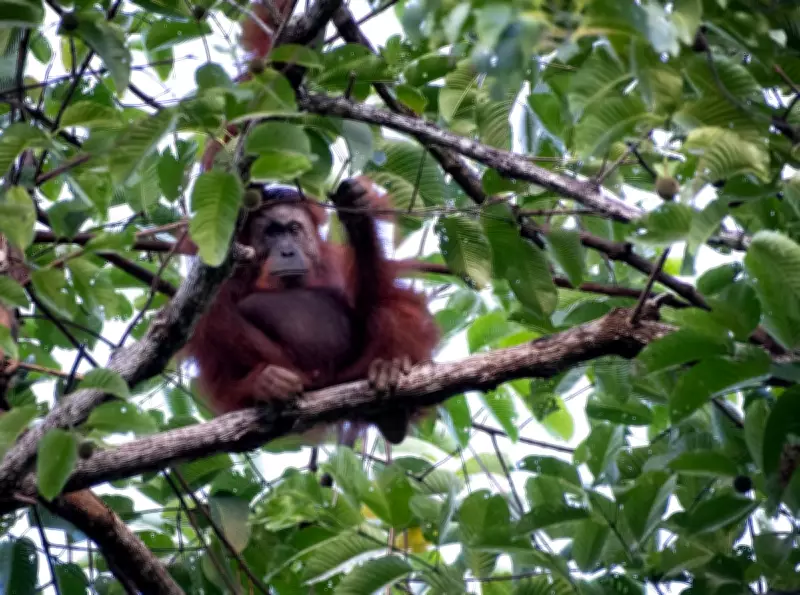
Contrary to expectations of monotony, visitors encounter a surprising array of animals. From Malay civets and porcupines to colugos and slow lorises, the plantation teems with nocturnal life. Notably, orangutans and Borneo elephants also traverse these areas, with rare sightings of clouded leopards adding to the excitement. This approach makes Borneo's wildlife more reachable for families, elderly travelers, and those seeking adventure without deep jungle expeditions.

Economic and Environmental Benefits
The safari model leverages existing infrastructure, such as logging roads, minimizing environmental disruption. Paul Liau, manager of Segaliud Lokan, notes that out of 56,000 hectares, 6,000 are protected for conservation. If tourism expands, more forest could be preserved, demonstrating how economic incentives can drive ecological protection. Cheema emphasizes that this isn't about idealizing plantations but optimizing remaining spaces for both wildlife and human communities.
As dusk falls, the plantation transforms into a vibrant ecosystem, with sounds of frogs and insects filling the air. This initiative suggests that conservation in modern Borneo may thrive not only in pristine rainforests but also in managed landscapes. By blending tourism with sustainability, Beluran Safaris illuminates a path forward where headlights guide the future of wildlife preservation.