Albany's Historic Whaling Station Earns National Recognition in Tourism Awards
Albany's Historic Whaling Station has achieved a prestigious milestone, representing Western Australia as a national finalist in the Qantas Australian Tourism Awards held in Fremantle on March 6, 2026. The site is competing in both the cultural tourism and tourist attraction categories, highlighting its dual role as a major visitor destination and a hub for historical storytelling.
A spokesperson for the Albany attraction emphasized, "This recognition across two categories underscores the site's significance as both a premier visitor destination and a place of cultural and historical narrative." This national acclaim follows a double victory at the 2025 Perth Airport WA Tourism Awards, where it was honored as WA's top cultural tourism experience and tourist attraction.
Whale Watching and Albany's Modern Tourism Industry
During Albany's bicentenary year, the region's connection to whales continues to evolve. Humpback whales migrate past Albany to northern waters, while southern right whales visit King George Sound to calve, with occasional sightings of rare blue whales. The whale watching season begins in late May, peaking in September, when tours depart from Albany Waterfront Marina into King George Sound.

This modern tourism activity contrasts with Albany's historical identity as a whaling town. Whaling in the area predates settlement and was Western Australia's first revenue-earning industry. Sites like Whaling Cove at Quaranup, established in 1835, mark early whaling efforts, with international ships frequenting Albany for supplies.
Historical Context and Industry Evolution
Before petroleum, whale oil was essential for lubrication and lighting in Europe and North America. Figures like HA "Buzz" Farmer, a war correspondent turned whaler, and local entrepreneurs capitalized on whaling for tourism, with reports from the Albany Advertiser in 1948 noting tourists' fascination with whale hunts.
The Cheynes Beach Whaling Company operated from 1952 to 1978, with Albany supplying 60% of the world's sperm whale oil at its peak. The industry targeted humpbacks and southern right whales, nearly driving the latter to extinction due to their high oil yield.
Preserving Stories at the Historic Whaling Station
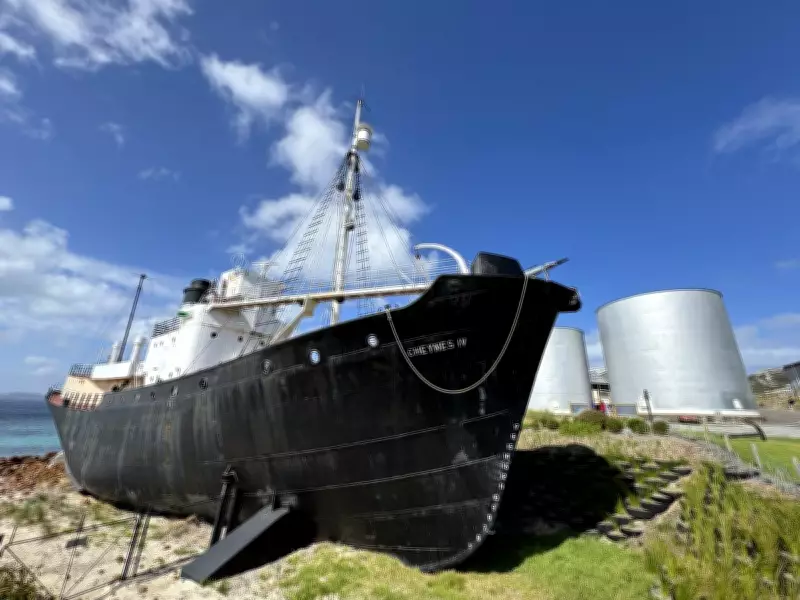
Today, Albany's Historic Whaling Station, part of Discovery Bay alongside the Australian Wildlife Park and Regional Wildflower Garden, preserves this complex history. The main attraction is the Cheynes IV whale chaser, dry-docked for visitors to explore, from harpoons at the bow to crew cabins and the engine room.
Personal stories bring the site to life, such as Len Guppy, who started as a deck boy in 1966 and later captained all three vessels, and Axel Christensen, who skippered Cheynes IV until 1978. Irish-born Paddy Hart, a ship's cook turned gunner, adds to the rich tapestry of local involvement.
Exhibitions, including photographs by Ed Smidt, depict the dangerous whaling era, while today, whales thrive safely in Albany's waters. The site's gift shop, featuring toy mermaids, symbolizes this shift towards conservation and celebration, especially during events like the Maritime Festival in July.
Albany's Historic Whaling Station stands as a testament to transformation, from a whaling hub to a celebrated tourist attraction, blending historical education with modern eco-tourism in Australia's scenic south coast.