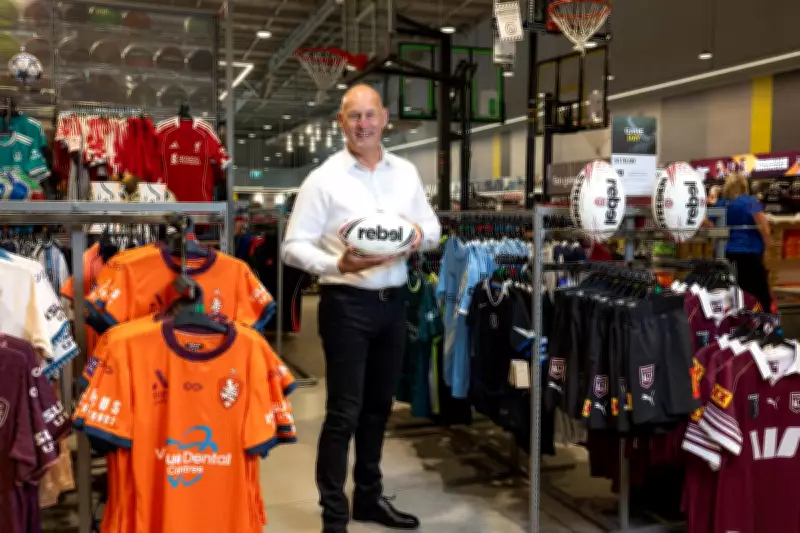
Super Retail Group Reports December Sales Decline Amid RBA Rate Hikes
Super Retail Group, the parent company of popular brands like Rebel Sport, has announced a notable dip in sales for the month of December, attributing the downturn to the Reserve Bank of Australia's (RBA) series of interest rate increases. The retail giant revealed that these monetary policy adjustments have significantly rattled consumer confidence, leading to more cautious spending habits among shoppers during the critical holiday period.
Impact of RBA Decisions on Consumer Behavior
According to the company's latest financial update, the RBA's aggressive rate hikes throughout 2023 have created a challenging environment for retailers. Super Retail Group noted that higher borrowing costs have pressured household budgets, causing many Australians to tighten their belts and reduce discretionary spending. This shift was particularly evident in December, a month traditionally associated with robust retail activity due to Christmas shopping.
The group reported that sales across its portfolio, which includes Rebel Sport, Supercheap Auto, and BCF, fell short of expectations. While specific figures were not disclosed in the initial statement, the company emphasized that the decline was directly linked to the economic uncertainty fostered by rising interest rates. Management highlighted that consumers are increasingly prioritizing essential purchases over non-essential items, impacting sectors like sports retail and automotive accessories.

Broader Implications for the Retail Sector
This development underscores a broader trend in the Australian economy, where interest rate rises are beginning to bite into consumer sentiment. Analysts suggest that Super Retail Group's experience may be a bellwether for other retailers, especially those reliant on discretionary spending. The RBA's efforts to curb inflation through higher rates have had the unintended consequence of dampening retail sales, posing risks to economic growth.
"The December sales dip reflects the cumulative effect of multiple rate hikes," a company spokesperson explained. "Shoppers are becoming more hesitant, and we're seeing a shift towards value-driven purchases. This has prompted us to adjust our strategies, focusing on promotions and inventory management to navigate the current climate."
Looking ahead, Super Retail Group remains cautiously optimistic but acknowledges that the retail landscape will likely remain volatile. The company plans to monitor consumer trends closely and adapt its offerings to meet changing demands. Factors such as ongoing inflation, potential further rate rises, and global economic conditions will continue to influence spending patterns in the coming months.
Key Takeaways for Investors and Consumers
- Super Retail Group's December sales were negatively impacted by RBA interest rate increases.
- Consumer confidence has waned, leading to reduced discretionary spending.
- The retail sector faces challenges as households prioritize essentials over non-essentials.
- Company strategies are evolving to include more promotions and inventory adjustments.
- Future retail performance will depend on economic factors like inflation and monetary policy.
In summary, Super Retail Group's report highlights the tangible effects of the RBA's monetary tightening on the retail industry. As shoppers grapple with higher costs, retailers must innovate and adapt to sustain growth in an increasingly uncertain economic environment.