Australian Retailers Face Earnings Risk as Fuel and Interest Rates Squeeze Consumers
Australian retailers are bracing for a significant hit to their second-half earnings, as escalating fuel prices and rising interest rates combine to strain household budgets and undermine consumer confidence. This dual pressure threatens to reverse recent stabilisation in the sector, with analysts highlighting the profound impact of these economic headwinds on discretionary spending.
Fuel Price Surge and Rate Hikes Dampen Consumer Sentiment
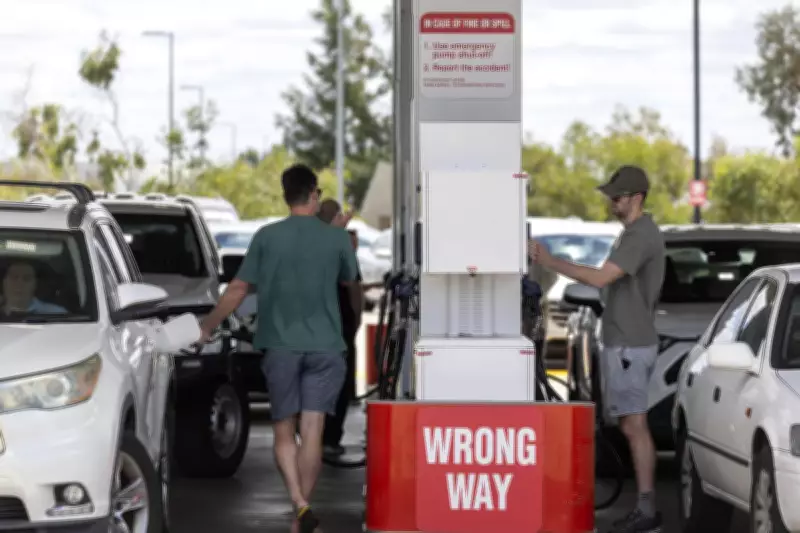
Citi analyst Adrian Lemme has pointed out that every 10-cent per litre increase in petrol prices translates to an additional $1.6 billion in annual costs for consumers. In Perth, the average petrol price recently spiked to 228.8 cents per litre on a typical "cheap fuel" day, up sharply from 193.8 cents just a week earlier. Lemme noted early signs that this rapid fuel price increase is beginning to dampen consumer confidence, a concern compounded by the Reserve Bank of Australia's decision to lift the cash rate from 3.85 per cent to 4.1 per cent. This move, reversing two of the three cuts from 2025, was driven by fears that surging petrol prices could push inflation—currently at 3.8 per cent—further above the target band of 2 to 3 per cent.
While Citi anticipates another rate hike in May, the direct impact on household budgets is considered relatively small compared to the burden of higher fuel prices. However, the combination of these factors is creating a challenging environment for retailers, as explained by Australian Retail Council chief executive Chris Rodwell. He described the sector as facing a double hit from rising supply chain costs due to the global oil shock and a rate rise that is likely to further squeeze household spending.

Retail Sector Struggles Amidst Consumer Caution
Rodwell recalled that through the second half of last year and into January this year, stable conditions had begun to return to the retail sector, with growth described as solid and steady, though not extraordinary. Consumers remained highly value-conscious, concentrating their spending around promotions and discounting as they sought to stretch their budgets. This trend meant retailers had to work harder to maintain margins, even as trading conditions showed signs of stabilisation.
The recent economic pressures have already taken a toll on the stock market, with consumer discretionary stocks falling nearly 13 per cent over the past month. Notable laggards include Domino's Pizza, Nick Scali, Premier Investments, and Lovisa. Despite this sell-off, Lemme has left his forecasts and recommendations unchanged, suggesting that a reversal could occur if tensions in Iran ease or the Government reduces the fuel excise.
Consumer Confidence Hits New Lows
Data from ANZ and Roy Morgan revealed that consumer confidence has plummeted to its lowest level since March 2020, when the first COVID-19 pandemic lockdowns were announced. ANZ economist Sophia Angala attributed this pessimism to geopolitical uncertainty and the shifting outlook for inflation and rates, with inflation expectations at their highest since November 2022, largely supported by the recent sharp rise in petrol prices.
Separate data from National Australia Bank showed that consumer spending rose by 0.4 per cent in February, with gains across most categories offsetting a 3 per cent fall in fuel spending. However, travel spending declined for a third consecutive month, indicating that households remain cautious about discretionary trips. NAB cautioned that this data likely does not yet fully reflect the recent challenges posed by the February rate hike and the conflict in Iran.
Despite these headwinds, consumer spending grew across all States and Territories in February, led by the ACT (up 1.6 per cent), Northern Territory (up 1.3 per cent), and Western Australia (up one per cent). As retailers navigate this volatile landscape, the coming months will be critical in determining whether they can withstand the pressures of higher fuel prices and interest rates without significant damage to their earnings.