Perth Service Station Depleted of Unleaded Fuel Following Large Purchase
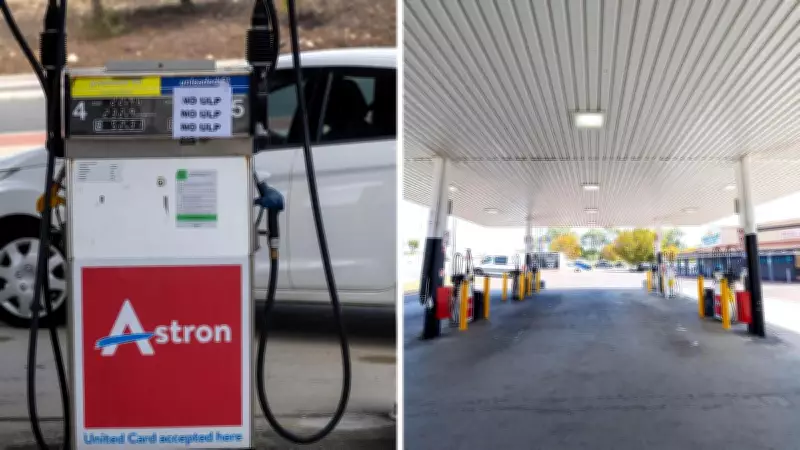
A service station in Quinns Rocks, Perth, experienced an unexpected fuel shortage after a customer purchased $500 worth of unleaded petrol, filling multiple jerry cans. The incident, which occurred at the Astron outlet, left the station temporarily out of unleaded fuel, causing inconvenience for local motorists and raising concerns about fuel supply management.
Details of the Fuel Purchase
The customer visited the Astron service station and proceeded to fill several jerry cans with unleaded petrol, totaling $500 in value. This large transaction quickly depleted the station's available supply of unleaded fuel, leading to a complete outage. Station staff reported that the purchase was made without prior notice, catching them off guard and preventing them from restocking in time to meet ongoing demand.
Impact on Local Community
The sudden shortage disrupted normal operations at the Quinns Rocks location, with many drivers arriving to find no unleaded petrol available. This caused frustration among residents who rely on the station for their daily commuting needs. Local authorities and the station management worked to address the issue, but the outage highlighted vulnerabilities in fuel distribution and storage capacities at smaller service stations.

Broader Implications for Fuel Supply
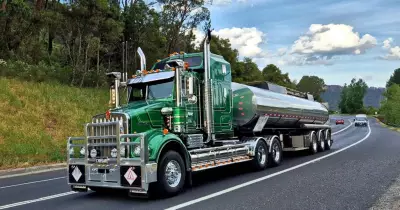
This incident underscores broader challenges in the fuel supply chain, particularly in suburban areas like Quinns Rocks. Experts suggest that such events can be mitigated through better inventory management and communication between suppliers and retailers. Additionally, it raises questions about consumer behavior during periods of perceived fuel scarcity, as bulk purchases can exacerbate local shortages.
In response, Astron and other fuel retailers may consider implementing limits on large transactions to prevent similar occurrences. The community has called for increased transparency and proactive measures to ensure reliable fuel access, especially in times of high demand or supply constraints.