Melville Council to Review Canning Highway Development Amid Traffic Concerns
The City of Melville is set to examine measures to slow the pace of high-density development around Canning Highway following strong complaints from residents about worsening traffic congestion. This decision comes after a recent council meeting where officials unanimously agreed to review the planning scheme to address these pressing issues.
Resident Complaints Spark Council Action
At the annual general meeting of electors held on February 2, residents voted overwhelmingly, with a tally of 21 to 1, in favor of postponing increases in high-density housing along Canning Highway and between Stock and Reynolds roads. They proposed shifting future developments to alternative corridors such as Leach Highway and South Street instead.
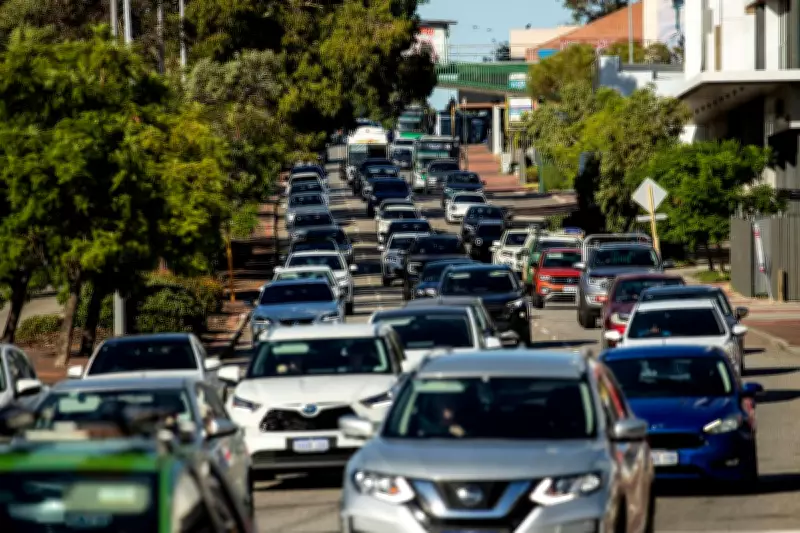
Local residents have expressed significant frustration over the current state of traffic, with one individual reporting that it took an astonishing 54 minutes to travel from Hislop Road to Canning Bridge. This highlights the severe strain on local road networks, which many argue are ill-equipped to handle the current volume of vehicles, let alone additional traffic from new developments.

Council Debates and Decisions
During the Melville council meeting on February 17, discussions centered on how to formally respond to resident concerns and whether to impose limits on high-density development along Canning Highway and its feeder roads. The motion to review the planning scheme was adopted unanimously, but not without debate over specific wording and conditions.
Councillor Glynis Barber successfully advocated for changing the city's response from "noting" to "acknowledging" residents' concerns, a motion that passed with a vote of 6 to 4. She emphasized the importance of recognizing the efforts of residents who spoke at the meeting, stating, "These electors were brave. They came along to the AGM. They spoke eloquently, intelligently, and we definitely need to acknowledge them."
However, Councillor Jennifer Spanbroek raised concerns about this change, warning that it could be misinterpreted as the city agreeing with the motions without proper investigation or professional advice, potentially pre-empting outcomes.
Proposals for Conditional Limits
Councillor Nicole Robin proposed that the city consider limiting density increases only until traffic congestion on Canning Highway is adequately addressed. This motion passed narrowly with a vote of 6 to 5. Robin argued for setting an end date, noting that the new planning scheme could span over a decade and that ongoing development pressure might compel the State Government to take more definitive action.
"My general experience hearing from people about density in suburbs like Applecross and Mt Pleasant is that most people say the main reason they're opposed to more density is because the road network can't handle it," she explained. "One day in the future if there is a solution and traffic congestion is eased, then we potentially might take another look at density, but until that happens we can't continue to support infinite increases in density in these areas."
Robin also pointed out that this move could increase pressure on the State Government to actively work towards a solution for Canning Highway, criticizing current plans as being inactive or long-term without immediate action.
Broader Context and Development Plans
The Canning Bridge precinct has been identified as a key area for development due to its accessibility via major roads and public transport, proximity to the Perth CBD, existing employment opportunities, and connection to the Swan and Canning rivers. It is also slated to accommodate at least 2500 of the extra 10,830 dwellings that the State Government aims to add in the city by 2031.
Despite these plans, current infrastructure upgrades are limited. Main Roads has proposed "duck and dives" at Canning Highway intersections, which would move four lanes of traffic underground, and has earmarked land for highway widening. However, a comprehensive highway upgrade is not scheduled within the next four years.

Existing measures to reduce congestion include signalised intersections along Canning Highway, a "smart freeway" immediately north of the area, and bus priority lanes. Proposed future improvements involve smart freeway upgrades to lessen peak-hour delays and additional stands at the Canning Bridge interchange to improve bus flow.
Councillor Barber expressed skepticism about including optimistic timelines in the planning scheme, calling such statements "pie in the sky" given that significant fixes to Canning Highway are unlikely before the end of 2026. She stressed the need for realistic planning rather than aspirational goals.
As the City of Melville moves forward with its review, the balance between development goals and infrastructure capacity remains a critical issue, with resident concerns at the forefront of council deliberations.