Independent Grocers Warn of Inevitable Food Price Hikes Amid Trade Crisis
Australia's major supermarket chains have expressed confidence that their supply chains will remain unaffected by the ongoing fuel crisis, but independent grocers are issuing stark warnings that additional costs will inevitably be passed on to consumers. The Independent Grocers Association WA has highlighted that global supply shortages may take months to fully impact local markets, with transport costs posing a significant threat to food affordability.
Transport Costs to Drive Price Increases
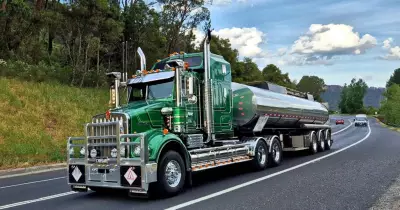
John Cummings, President of the Independent Grocers Association WA, explained that while Australia benefits from approximately 90% of its consumption being locally produced, certain items are vulnerable to price spikes. "Most loose bananas purchased in Western Australia, about 90% of all consumed, come from Northern Queensland," he said. "The only way they are transported into Western Australia is by road. If trucking costs increase by 50%, that could add $1.20 to $1.80 per kilo just in transport expenses, which will inevitably affect retail prices."
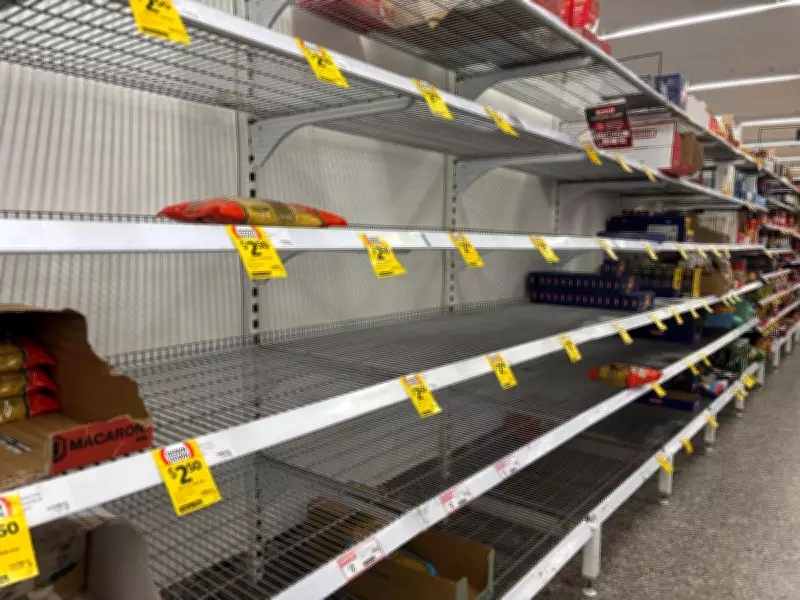
Cummings further warned that regional areas of Western Australia are likely to bear the brunt of these increases, as supermarkets initially absorb costs but eventually pass them downstream to consumers. Inside Perth shops, major retailers have attributed shelf gaps to weather-related disruptions rather than international conflicts, though shoppers are already noticing upward trends in grocery prices mirroring petrol increases.

Shoppers Feel the Pinch
Perth resident Aleksandra Markovic shared her experience of rising costs, stating, "Everything's increased, to be honest. I used to fill up my car for less than $110, now it's $115 to $125. Everything is going up, and I don't know how people are going to afford it long-term. I think everyone suffers." She reported stocking up on essentials like bottled water amid concerns over availability and affordability.
Across Perth supermarkets, pasta shelves are among the most depleted, followed closely by canned tomatoes, pasta sauces, packaged meats such as mince and chicken thighs, dairy products, and bulk bottled water. Some stores have posted notices blaming recent flooding in central Australia for supply disruptions, particularly affecting railway routes critical for transportation.
Government and Industry Responses
Premier Roger Cook has acknowledged that the Middle East conflict has triggered a "crisis of international trade," but assured that scheduled fuel supplies continue to arrive in Western Australia. He highlighted the BP import facility in Kwinana, formerly an oil refinery until 2021, which has begun receiving supplies from the national stockpile and is operating at 176% above its normal output. "It's a sign that we are getting those extra fuels coming through as a result of the Federal Government's announcement last week," Mr. Cook said.
Additional fuel supplies are en route to regions hardest hit by shortages, including the Goldfields and Great Southern areas. In a move to bolster resilience, Woolworths Group announced an expansion of its food storage facility near Perth Airport last October, aiming to increase capacity by around 10,000 pallets. This initiative follows record disruptions in 2022 when flooding cut off the Trans-Australian rail line for 24 days, leading to widespread empty shelves across the state.
As the situation develops, consumers are urged to stay informed about potential price adjustments and supply chain challenges, with independent grocers emphasizing that while local production provides a buffer, transport-dependent goods remain at risk of significant cost increases.