A growing wave of consumer discontent is seeing more Australians turn their backs on traditional supermarket giants, but experts believe this shift is unlikely to significantly alter the industry's landscape. Despite a surge in shoppers seeking alternatives like buying direct from farmers, the overwhelming market power of major chains like Coles and Woolworths remains largely unchecked.
Farmers Demand Fairness as Consumer Distrust Peaks
Recent studies highlight a significant loss of confidence among shoppers, driven by concerns over corporate profit models and treatment of producers. This sentiment is echoed by farmers themselves. A recent independent survey cited by National Farmers Federation Horticulture Council chair Jolyon Burnett found that less than half (43 per cent) of fruit and vegetable growers feel they are always treated fairly and respectfully by the major supermarkets they supply.
This environment has propelled brands like Woolworths and Coles from celebrated status to record distrust. Market research firm Roy Morgan reported in October 2024 that distrust in both supermarkets had reached its highest point since tracking began in late 2017. Woolworths plummeted 239 places to become Australia's most distrusted brand, with Coles falling 237 places.

"Distrust has a far more potent impact on consumer behaviour than trust," said Roy Morgan CEO Michele Levine. "The reputational fall of Woolworths and Coles is a powerful reminder of the fragility of trust in today’s environment."
The Direct-to-Consumer Awakening
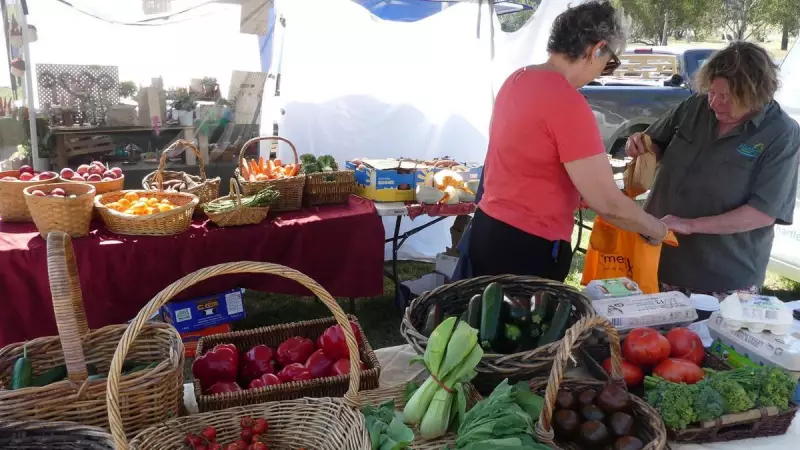
For some, the response has been to bypass supermarkets entirely. Farmers like Gabe and Jamie Yates of Yajambee Farm in Mount Mee, who sell grass-fed beef directly to locals, say people are "waking up" to the reality of big retail.
"Those (supermarkets) don’t really give a rats a** about the locals, everything they do is an economic decision based on what’s going to happen to their shareholders," Gabe Yates told 7NEWS.com.au. "I think people are slowly waking up to that... and that’s why they’re coming back to buying direct."
However, this movement faces practical limits. Jolyon Burnett notes that while direct sales are an important opportunity, they are unlikely to reach a scale sufficient for most growers to overhaul their operations and invest in new infrastructure. The convenience, range, and pricing of major supermarkets will continue to dominate for the vast majority of Australian households.
Searching for a Sustainable Middle Ground
With systemic change slow, the focus turns to accountability and diversification. Burnett strongly backs the recommendations from the Australian Competition and Consumer Commission's (ACCC) recent supermarket inquiry, which aim to improve market transparency and limit supermarket power.
"At the very least, growers and consumers alike need to see the Australian government implement these recommendations in full," Burnett stated.
He also urges consumers to make more conscious choices by preferring fresh, in-season, Australian-grown produce. For farmers, the path forward involves urgently diversifying their markets. "It is essential if we are to lessen the bargaining power of the major supermarkets and ensure growers get a fair return for their hard work," Burnett said. This includes exploring new domestic avenues and opening up overseas markets.
In their defence, the supermarkets acknowledge the competitive landscape. Woolworths stated it respects customer choice while highlighting its service to nearly 26 million weekly customers and its "strong relationships" with suppliers. Coles similarly welcomed customer choice and emphasised its commitment to affordable prices amid cost-of-living pressures.
Ultimately, while the rumblings of change are audible in Australia's fresh produce sector, transforming a system built on the immense bargaining power of supermarkets will require more than a grassroots shift. It demands rigorous policy enforcement and a sustained, collective push for fairness from paddock to plate.