A profound transformation is reshaping how Australians source their groceries, driven by a growing distrust of major supermarkets and a powerful desire for transparency, quality, and sustainability. New research indicates a significant consumer shift towards buying food directly from producers and wholesalers.
The Great Supermarket Exodus
Recent studies highlight a decisive move away from traditional retail giants. As many as four in ten Australians are either already switching or planning to switch their primary food shopping away from conventional supermarkets. This trend is fueled by the search for better value, superior quality, and greater confidence in the origin of their food.
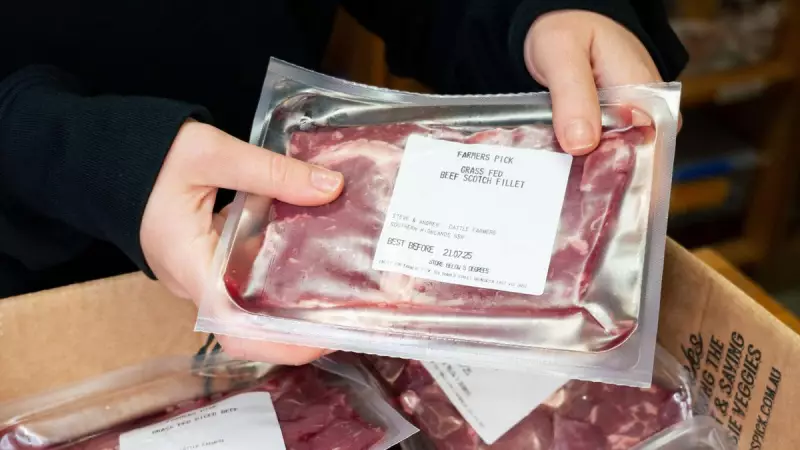
"Consumers are waking up, looking to shop more sustainably and connect with the food they eat, while also supporting the farmers who produce it," said Josh Ball, co-founder of the online subscription service Farmers Pick. He notes that over recent years, it has become clear that Australians have been losing trust in supermarkets.

Transparency, Trust, and the Truth About Food
The issue of provenance has become critical for shoppers. This was underscored earlier this year when the Albanese government lifted the final ban on United States beef imports, a move initially aimed at appeasing the Trump administration and resolving tariff disputes. Australia had originally banned US beef in 2003 after the discovery of mad cow disease. While restrictions eased in 2019, traceability concerns kept a ban on cattle born in Mexico and Canada but processed in the US—a ban that has now been fully removed.
This policy shift highlights the complex journey of food, something more Australians are questioning. A State Of The Plate survey of 1000 Australians conducted in August 2025 found only 20% trust supermarket meat labelling, and a mere 14% know exactly where their meat originates. Conversely, 53% are willing to pay more for butcher-quality meat that is fresh, fully traceable, and ethically sourced.
Fighting Waste and Reducing Food Miles
Environmental concerns are a major driver of this behavioural change. The staggering scale of retail food waste is a key issue, with reports indicating Australian retailers discard 500,000 tonnes of perfectly edible food months before its best-before date each year. Services like Farmers Pick tackle this by rescuing and selling produce that doesn't meet superficial supermarket cosmetic standards.
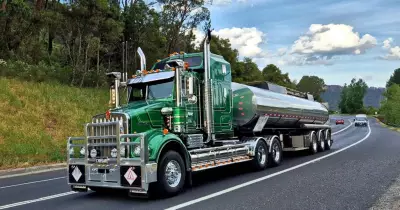
Globally, food waste is the third-largest emitter of greenhouse gases, behind only the US and China. Consumers are increasingly mindful of their "food miles"—the distance food travels. While sea freight emits approximately 23g of CO2 equivalent per tonne per kilometre, air-freighted perishables emit over 50 times more. A University of Adelaide national survey supports this, finding that food-conscious consumers who prioritise sustainability are less likely to contribute to food waste, often through better meal planning.
The erosion of trust in supermarkets is quantifiable. Market research firm Roy Morgan recorded the highest ever distrust in Woolworths and Coles in early 2025 since it began tracking in 2017. CEO Michele Levine stated that distrust has a more potent impact on behaviour than trust, driving customers to alternatives. In a dramatic fall, Woolworths plummeted 239 places to become Australia's most distrusted brand by October 2024, with Coles dropping 237 places.
Despite describing the food system as "broken," Josh Ball sees a "real sense of optimism" among buyers. "The great news is, it’s now much easier to be food conscious," he said. "With just a click of a button, people can access convenient, affordable options that deliver better value and provenance." This shift represents more than a change in shopping habits; it's a growing movement demanding integrity from paddock to plate.