Allan Leighton, the chair of Asda, remains optimistic that the supermarket chain will turn a corner by the third year of his turnaround plan, despite ongoing challenges from competitors like Aldi. Leighton, who returned to lead the business in November 2024 after a 20-year hiatus, is determined to defy critics and revive Asda for the second time in his career.
Current State of Asda
Approximately 18 months into the turnaround, industry data shows that grocery sales and market share for Asda, which operates 580 supermarkets, 517 convenience stores, and four standalone George outlets, continue to decline. This is despite significant investments aimed at keeping prices low. Aldi, its rival, is now less than one percentage point away in market share from overtaking Asda, whose sales and profits have dropped since a debt-fueled £6.8 billion takeover in early 2021 by the Issa brothers and private equity firm TDR Capital.
Leighton's Strategy and Optimism
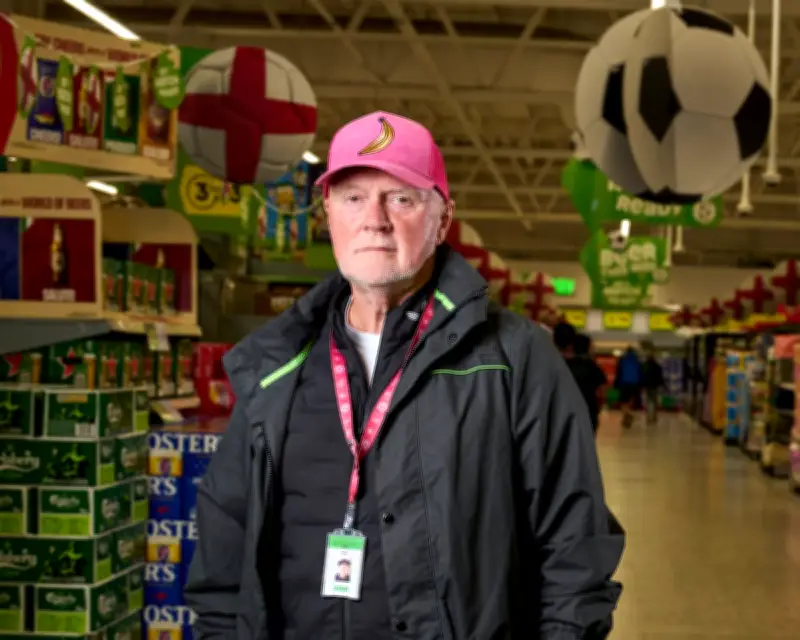
Wearing a pink baseball cap with a banana logo and brightly colored trainers during a visit to Asda’s Killingbeck store in Leeds, the 73-year-old Leighton remains hopeful. He acknowledges that “Project Future,” the transfer of Asda’s technology from former owner Walmart’s systems to its own at an estimated cost of nearly £1 billion, caused gaps on shelves and set plans back six months. However, he asserts that the IT is now stable, with only minor tasks remaining, availability has improved significantly, and a new deal with Ocado will modernize Asda’s online business starting next year. The latest marketing campaign encourages shoppers to “take a fresh look” as Leighton claims prices are decreasing relative to competitors.

Unique Selling Points
Leighton points to a new tropical tree display for bananas at the store entrance, complete with fake parrots, which has driven a 10% increase in sales of this key item. “Nobody else can do things the way we do it. We are trying to accentuate that,” he says. He emphasizes that Asda is more than a supermarket, with nearly 50% of its business coming from non-food items. “Where we can win, not just over Aldi and Lidl, but everybody else, is we are the only ones that has that scale in clothing and general merchandise,” he adds.
Challenges and Government Help
Leighton acknowledges the tough climate, with consumer confidence low and food inflation rising again. “We’ve seen bits of it beginning to come through now,” he notes. All retailers face pressure from rising labor, energy, and regulatory costs, as well as a squeeze on household budgets. However, Leighton believes Asda has more ammunition than others if they get it right.
Regarding government help, Leighton says, “It would be good if they didn’t do anything,” citing changes to employers’ national insurance contributions and packaging taxes that have made life tougher.
Future Plans
Leighton dismisses speculation about selling Asda’s Express convenience stores or reviving a merger with Sainsbury’s, calling the latter “not on my radar.” Instead, his focus is on incremental improvements. He plans to expand the George clothing and homewares label, aiming for 500 standalone stores within five years, and add 20 to 25 new Asda Express stores annually. No new supermarkets are planned; instead, cash will go into refurbishing about 50 existing sites each year.
The deal with Ocado is expected to provide proven technology to reverse the decline in online sales, targeting 10-15% growth. Leighton is not planning to use Ocado’s robot-run warehouses. He has revived the “Ask Allan” suggestion system, which has received 4,000 messages, and “saunas,” which bring staff together for rapid improvements. Fresh produce has already been updated, and bakery is working on cost-effective in-store baking ideas.
Leighton insists that the business is not held back by debt payments of £600 million annually, comparing them to dividends paid by competitors like Tesco and Sainsbury’s. He argues that cash flow can fund expansion. The key difference now, he says, is “a belief in the business that wasn’t there [before]. Bit by bit things have got better.”