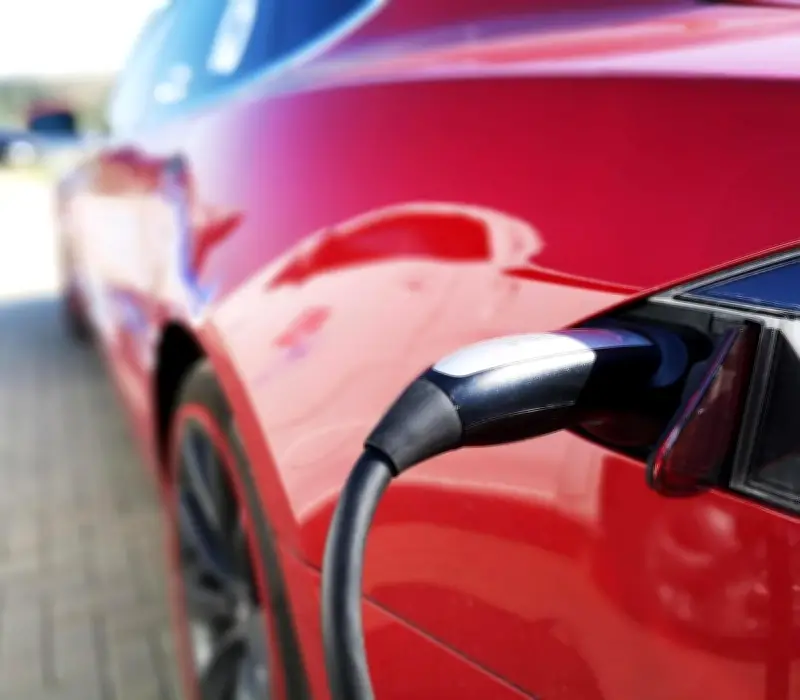
A council in Perth’s northern suburbs has knocked back a push to open more of its electric vehicle (EV) chargers to the public and reduce charging fees, citing insufficient demand and cost implications.
Review Findings
The City of Stirling conducted a review requested by Councillor Joe Ferrante into its EV charging network. The review found that there was not enough demand to justify changes to pricing or access arrangements. City officers recommended maintaining current kilowatt rates and existing access, with greater access to be reviewed if utilisation rates increase. The council unanimously supported this recommendation at Tuesday night’s meeting.
Current Charging Network
The city owns and manages a network of 53 electric vehicle chargers across five sites, providing 95 charging points. Of these, only 10 chargers (19 charging points) are open for public use. Cr Ferrante had sought to open at least 16 chargers at Civic Place, near the city administration building, which are currently available only to staff. However, city officers noted that due to their location in the staff carpark, these chargers could not be made available to the public during business hours or on Sundays, when the area is used by a local farmers’ market.

Underutilised Infrastructure
Four chargers at Puccini Court could potentially be opened to wider public access if demand increases, but the city reported they are currently underutilised. "The four public EV chargers (eight charging points) in Puccini Court have recorded an average utilisation rate of approximately 20 per cent during business hours over the past six months, decreasing to around 2 per cent outside these hours," the report stated. "This indicates that the existing public charging infrastructure is currently underutilised and has sufficient capacity to meet near-term demand." The city said it may consider extending public access to these chargers outside business hours if after-hours utilisation reaches 80 per cent.
Charging Fees Unchanged
Cr Ferrante also requested a reduction in the per-kilowatt charging fee to help residents with cost-of-living pressures. However, the council did not support this, as the four public EV chargers at the administration building generated only $3,117.21 over the past six months, equating to about $6,234 per annum. The current charging rate of $0.44 per kWh is effectively a break-even rate, covering electricity costs, credit card processing fees, software fees, and GST. Any reduction would have a direct cost impact on the city.