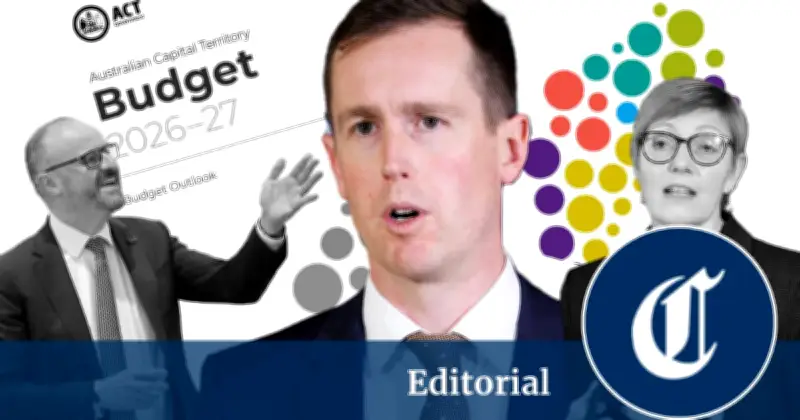
The ACT budget has been described as relying on 'heroic' economic assumptions by Transport Minister Chris Steel, sparking debate over the territory's fiscal strategy. In a candid assessment, Steel highlighted that the budget's projections for revenue growth and spending cuts are overly optimistic, potentially exposing Canberra to financial vulnerabilities.
Key Concerns Raised
Steel pointed to several areas where the budget's assumptions appear stretched. These include anticipated increases in payroll tax revenue, which depend on sustained employment growth, and savings from public sector efficiencies that may be difficult to achieve. The minister warned that if these assumptions prove incorrect, the budget could face significant shortfalls.
Revenue Projections Under Scrutiny
The budget forecasts a sharp rebound in business activity, driving higher tax receipts. However, Steel noted that global economic uncertainties and local market conditions could dampen this outlook. 'We are banking on a strong economic performance that may not materialize,' he said.

Spending Cuts and Efficiency Targets
Another area of concern is the government's plan to reduce spending through efficiency dividends and program cuts. Steel argued that these targets are ambitious and could lead to service reductions if not managed carefully. 'We need to be realistic about what can be achieved without harming essential services,' he added.
Political Reactions
The comments have drawn mixed reactions from political opponents. Shadow Treasurer Mark Parton accused the government of 'fiscal recklessness,' while Chief Minister Andrew Barr defended the budget as 'prudent and responsible.' Barr emphasized that the assumptions are based on independent economic forecasts and are subject to regular review.
Economic Context
Canberra's economy has shown resilience post-pandemic, with low unemployment and strong property prices. However, rising inflation and interest rates pose risks. The budget's reliance on continued growth in these areas has been questioned by economists, who warn that a downturn could strain public finances.
Looking Ahead
Steel's remarks have opened a broader discussion about fiscal transparency and risk management in the ACT. As the budget is debated in the Legislative Assembly, there are calls for more cautious forecasting and contingency planning. The outcome of this debate could shape Canberra's financial landscape for years to come.