Perth is in the grip of a severe housing crisis, forcing residents to make shocking and often heartbreaking sacrifices just to afford a place to live. A new report has laid bare the extreme lengths to which both homeowners and renters are going to keep a roof over their heads, painting a grim picture of financial stress and personal hardship.
The Human Cost of Unaffordable Housing
The crisis is not just about statistics; it's about daily struggles. Residents are being pushed to their financial limits, with many forced to make impossible choices between basic necessities. The report, commissioned by the WA Council of Social Service (WACOSS) and undertaken by the University of Western Australia, surveyed over 1,100 people across the state. The findings reveal a landscape of profound anxiety and deprivation directly linked to housing costs.
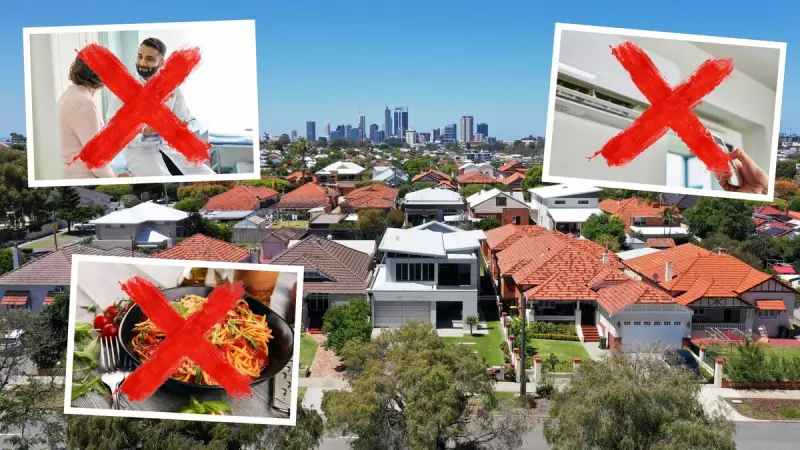
For renters, the situation is particularly dire. Many report skipping meals, avoiding necessary medical appointments, and forgoing heating or cooling to meet their weekly rental payments. The concept of disposable income has vanished, replaced by a constant calculation of survival. Homeowners with mortgages are not immune, with a significant number taking on second or even third jobs, dipping into retirement savings, or falling behind on other essential bills to service their home loans.

Key Findings from the WACOSS Report
The data provides a sobering snapshot of the crisis. More than half of the survey respondents (54%) reported experiencing housing stress, which is defined as spending more than 30% of their gross income on housing costs. This stress is a key driver behind the drastic cutbacks in other areas of life.
The report detailed a list of common sacrifices, including:
- Cutting back on food and groceries.
- Delaying or avoiding medical care and prescriptions.
- Reducing energy use to the point of discomfort.
- Withdrawing from social activities and community life, leading to isolation.
- Taking on additional employment, severely impacting family time and personal wellbeing.
These are not temporary measures for most but a sustained way of life, eroding quality of life and long-term health. The mental toll is immense, with constant worry about housing security contributing to anxiety and depression.
A Market Under Immense Pressure
The root of the problem lies in a Perth property market that has seen relentless price growth and record-low vacancy rates. A perfect storm of factors—including interstate migration, limited new construction, and high interest rates—has created a scenario where demand drastically outstrips supply. This pushes both purchase prices and rents to levels unattainable for average income earners.
For those trying to enter the market, the dream of home ownership is slipping away. Savings for a deposit are being outpaced by rising prices, while soaring rents make it harder to save in the first place. The crisis is also impacting the rental sector's most vulnerable. The vacancy rate in Perth has hovered near historic lows of around 0.7%, giving landlords immense power and leaving prospective tenants in fierce competition for a limited number of properties.
Looking for Solutions and a Path Forward
The report serves as a stark call to action for policymakers. Community advocates argue that immediate and substantial intervention is required to increase the supply of affordable and social housing. Suggestions include fast-tracking approvals for diverse housing projects, providing greater incentives for builders, and reviewing policies around land release and development.
There is also a push for stronger protections for renters to provide more stability and prevent sudden, unaffordable rent increases. Without coordinated action from government and industry, advocates warn that the social and economic consequences will deepen, affecting workforce stability, community health, and the future livability of Perth.

The housing crisis in Western Australia is more than an economic issue; it is a human one. The sacrifices being made daily by thousands of residents highlight a system under severe strain. As the community waits for effective solutions, the personal cost continues to mount, challenging the very notion of a secure and affordable home.