Perth Housing Crisis Intensifies as 90% of Homes Sell Above Asking Price
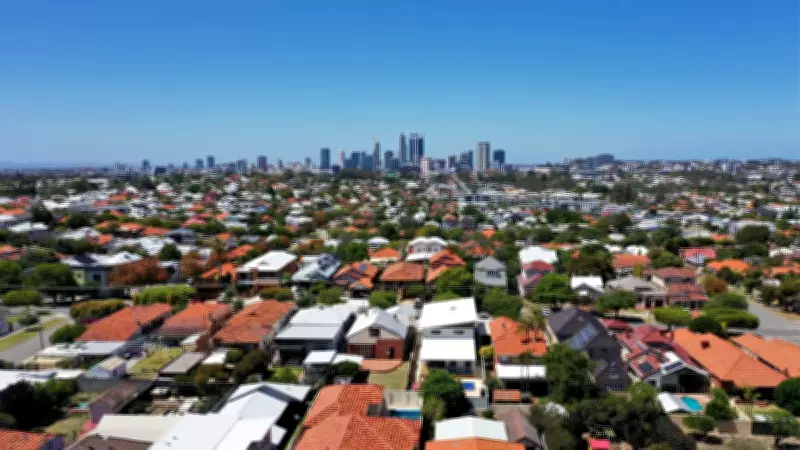
The Perth housing market is experiencing an unprecedented crisis, with a staggering 90% of homes now selling above their asking price in a record-breaking blitz. This surge has sent shockwaves through Western Australia's capital, highlighting severe affordability issues and intense competition among buyers. The situation underscores a deepening imbalance between supply and demand, pushing property prices to new heights and leaving many residents struggling to enter the market.
Record-Breaking Sales and Market Dynamics
Recent data reveals that Perth's real estate market has entered a hyper-competitive phase, with nearly all properties fetching prices well above initial listings. This trend is fueled by a combination of factors, including historically low interest rates, strong interstate migration, and a chronic shortage of available housing stock. Experts warn that this rapid escalation is unsustainable and could lead to long-term economic repercussions if not addressed promptly.
The average time on market for homes in Perth has plummeted, with many properties selling within days or even hours of being listed. This frenzied activity has created a seller's market, where buyers are forced to make quick decisions and often engage in bidding wars that drive prices even higher. The impact is particularly acute in suburban areas, where family homes are in high demand but limited supply.

Drivers of the Crisis and Affordability Concerns
Several key drivers are contributing to Perth's housing crisis. Firstly, population growth has outpaced new construction, leading to a significant deficit in housing supply. Secondly, economic recovery post-pandemic has boosted consumer confidence and spending power, increasing demand for homeownership. Additionally, investment activity has surged, with both local and international buyers targeting Perth's relatively affordable market compared to eastern states.
Affordability has become a major concern, as rising prices outpace wage growth, making it increasingly difficult for first-home buyers and low-income families to secure housing. The crisis is exacerbating social inequalities and could potentially lead to a rise in homelessness if left unchecked. Government interventions, such as incentives for new builds and reforms to planning regulations, are being called for to alleviate the pressure.
Future Outlook and Potential Solutions
Looking ahead, the Perth housing market shows no immediate signs of cooling, with forecasts predicting continued price growth in the short term. However, experts suggest that a combination of policy measures and market adjustments could help stabilize the situation. These include increasing land release for development, promoting higher-density housing in urban centers, and providing targeted support for vulnerable buyers.
In the long run, a balanced approach that addresses both supply constraints and demand pressures will be crucial to resolving the crisis. Stakeholders, including government bodies, real estate agencies, and community groups, must collaborate to ensure sustainable growth and maintain Perth's reputation as a livable city. The current record blitz serves as a stark reminder of the urgent need for action in Australia's property landscape.