Residents of Newcastle have voiced passionate opinions on the city's architectural direction, heritage management, and political evolution in a series of letters to the editor. The debate centres on how to balance preservation with progress in a rapidly changing urban landscape.
The Facadism Debate: Preservation or Pretense?
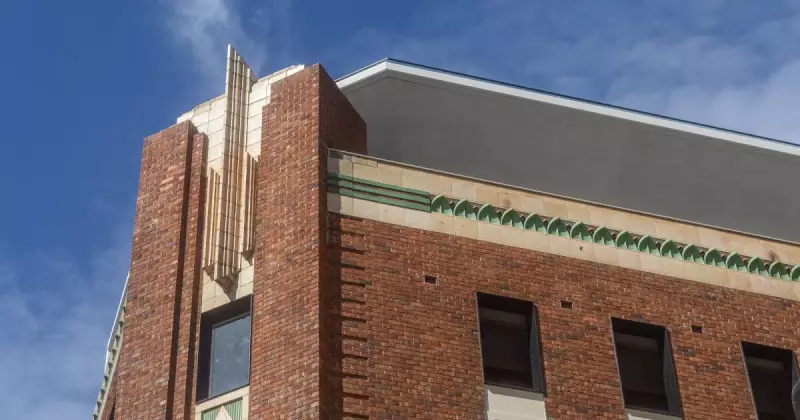
Ray Dinneen of Newcastle has coined a term for a practice he finds troubling: "facadism." He describes this as the costly effort of propping up only the outer skin of historic buildings while constructing entirely modern structures behind them. Dinneen argues that while genuine restoration of old buildings for new uses is commendable, the practice of merely cladding new developments in old brick walls is nonsensical.
He points to specific examples in the Hunter Street mall area as evidence of this flawed approach. One building on the corner of Hunter and Watt Streets, he claims, has been spoiled by the addition of modern "Meccano bits" to its top, which has allegedly put the front wall on a noticeable lean. Another "strange jumble" on the southern side of Hunter Street near Wolfe Street also draws his criticism. His stance is clear: if a building is beyond repair, replace it; if it can be authentically restored, do so, for "a thing of beauty is a joy forever."

Heritage and the Cost of the Ocean Baths
In a separate but related issue, Christine Everingham of Newcastle East has defended the heritage listing of the Newcastle Ocean Baths. She refutes claims that heritage status is responsible for delays or increased costs in the baths' renovation project. The State Heritage listing was only recently achieved, largely due to the advocacy of the Friends of Newcastle Ocean Baths.
Everingham explains that Newcastle City Council has been seeking a commercial partner for the site since 2014, without success. A potential reclassification of the Alcohol Regulated Area in February may finally provide that opportunity. However, she notes this has led to a more expensive design that prioritises an expanded café and function area capable of serving alcohol, at the expense of public change room space. She warns the community to prepare for potential cost blowouts, drawing a parallel with the Newcastle Art Gallery project, which has seen its budget increase from an original $45 million contract to a recent costing of $51.8 million.
Broader Concerns: Density, Politics, and Protest
The letters section also covered wider community concerns. Graeme Kime of Muswellbrook raised an alarm about high-density living, citing the tragic high-rise fire in Hong Kong as a cautionary tale. He warns that as Australia gravitates towards compact, high-rise affordable housing to save on land costs, it risks creating similar vulnerabilities. Close building proximity can act as a wind tunnel, intensifying fires and hindering emergency access, making strict fire safety standards in low-density developments crucial.
The city's changing political identity was another flashpoint. Tony Mansfield of Lambton challenged the labelling of dissenting voices as "far-right," arguing that Newcastle's traditional political fabric has been altered by an influx of people from other areas, specifically Sydney. He suggests this migration has directly correlated with a shift away from the city's rusted-on Labor roots.
Meanwhile, Judy Wells of Carrington offered a positive firsthand account of a recent protest in the city mall, countering another writer's negative experience. Wells, who attended in a wheelchair, described an event that was inclusive, friendly, and contributed positively to the city's atmosphere while advocating for a transition away from coal.
Practical Matters: Transport and Infrastructure
On practical issues, Tol Chumak of Cardiff poured cold water on petitions to expand Newcastle's light rail network to areas like Broadmeadow and Belmont. Using a rough calculation based on the existing line's cost of approximately $300 million for three kilometres, he estimates a 15-kilometre expansion could cost around $3 billion in today's dollars—a figure he believes is politically unfeasible and likely to double after government reviews and consultancy fees.

Other short takes from readers covered a range of local topics. Steve Barnett of Fingal Bay cautioned first-home buyers using the government's 5% deposit scheme about potential interest rate volatility. Finance Hamilton of Jesmond defended the presence of reindeer at a local shopping centre against claims of cruelty. Stan Keifer of Arakoon requested television networks move on-screen captions to avoid blocking sports highlights, and Kevin White of Lambton called for urgent road repairs on the eastbound section between Beaumont Street and Gordon Avenue.
The collective voice in the Newcastle Herald's letters page paints a picture of a community deeply engaged in the practical and philosophical questions shaping its future—from the bricks and mortar of its streets to the ideals of its public square.