Modular Home in Windale Brings Hope After Years of Homelessness
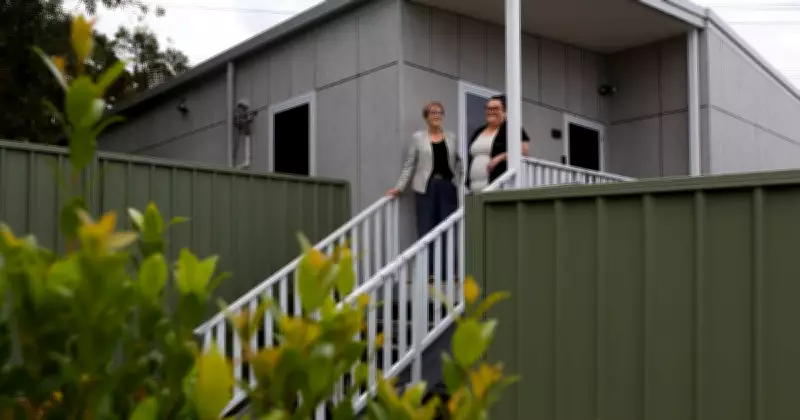
A family in Windale, New South Wales, has finally found stability after three long years of homelessness, moving into a brand-new modular home. This significant milestone marks the end of a challenging period for the family, who had been struggling to secure permanent housing in a tight rental market.
Community Housing Initiative Provides Lifeline
The modular home was provided through a community housing initiative aimed at addressing homelessness in the region. This program focuses on delivering affordable and sustainable housing solutions quickly, using prefabricated modular construction methods that reduce build times and costs compared to traditional housing.
The family expressed immense relief and gratitude, highlighting how the new home has transformed their lives, offering safety, security, and a sense of belonging. Community leaders and housing advocates have praised the initiative, noting its effectiveness in providing immediate relief to those in need while promoting long-term housing stability.

Benefits of Modular Housing in Addressing Homelessness
Modular homes are increasingly seen as a viable solution to homelessness due to their efficiency and affordability. Key advantages include:
- Rapid construction: Homes can be assembled on-site in weeks, significantly faster than conventional builds.
- Cost-effectiveness: Reduced labor and material expenses make these homes more accessible for low-income families.
- Sustainability: Many modular designs incorporate energy-efficient features, lowering utility bills and environmental impact.
In Windale, this approach has not only provided a home for one family but also set a precedent for similar projects in other areas facing housing crises. Local authorities are exploring expanded use of modular housing to combat rising homelessness rates, driven by factors like housing affordability issues and economic pressures.
Broader Implications for Housing Policy
The success of this modular home project underscores the need for innovative housing strategies in Australia. As homelessness continues to affect thousands nationwide, community-driven initiatives like this offer a practical model for scalable solutions. Experts argue that combining modular construction with government support and private partnerships could accelerate progress toward ending homelessness.
Looking ahead, the family in Windale plans to rebuild their lives, focusing on employment, education, and community integration. Their story serves as a powerful reminder of the impact that secure housing can have on individual well-being and social cohesion.