Australian Farmers Issue Dire Warning Over Fuel Crisis Impact on Food Prices
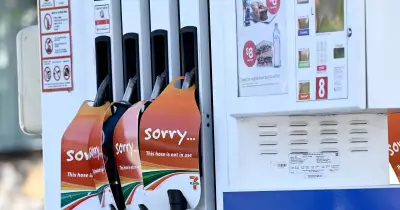
Australian farmers are sounding the alarm that the ongoing fuel crisis could drive grocery prices up by as much as 20 per cent, with significant changes anticipated around Anzac Day if the situation remains unresolved. The crisis is compelling grocers to pass on escalating costs to consumers, as regional areas face fuel shortages and farmers reassess their operations amid soaring expenses.
Immediate Threats to Fresh Produce and Staples
Xavier Martin from the NSW Farmer's Association highlighted the severity of the situation, stating, "That's going to result in significant price change, 10 per cent, 20 per cent or more, depending on what sort of food or fibre it is." Everyday staples that require weekly fresh transportation are particularly vulnerable, with the weight of goods playing a crucial role in the crisis. Martin explained, "Fruit and vegetables, you know, they're pretty heavy in their water volume," emphasizing how transportation costs are disproportionately affecting these items.
Supply Chain Strains and Retailer Pressures
Suppliers are now notifying retailers daily about new fuel levies, with chicken suppliers among those implementing additional charges. Grocer Daniel Flammino shared his experience, saying, "They hit us yesterday with a $7 levy per delivery. Now, I understand it, but we're eventually going to have to pass on that cost." This sentiment is echoed by Martin Stirling of the Master Grocers Association, who stressed, "That's why it's so important that urgent steps are taken to secure fuel supply for the food industry."

International Attention and Farmer Struggles
The crisis has garnered international attention, with an Australian dairy farmer interviewed by British television discussing diesel rationing and the strain on the industry. Dairy farmer Jim Watts told ITV, "It doesn't matter what country you're in, it comes from a farmer somewhere within that country. So, to the people out there, start looking out for farmers." This global perspective underscores the widespread impact of fuel shortages on agricultural sectors.
Long-Term Consequences for Food Security and Nutrition
Farmers warn that if the petrol crisis is not resolved by Anzac Day, just over 20 days away, plans for new crops will be drastically scaled back. Limiting seeding could have dire consequences not only for food prices but also for food quality and nutrition across Australia. Martin cautioned, "That then impacts nutrition for all of us," highlighting the broader societal implications of reduced agricultural output.
- Grocery prices could surge by up to 20% due to fuel crisis.
- Fresh produce like fruits and vegetables are most at risk.
- Suppliers are imposing daily fuel levies on retailers.
- International media are covering the strain on Australian farmers.
- Unresolved crisis by Anzac Day may lead to reduced crop planting.
The combination of rising transportation costs, supply chain disruptions, and potential cuts in farming activities paints a grim picture for Australian consumers, with the fuel crisis threatening to ripple through the entire food industry in the coming weeks.