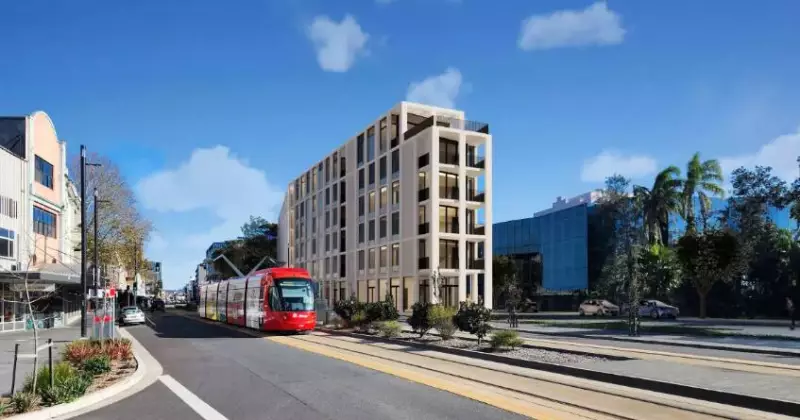
A long-time community representative on Newcastle City Council housing panels has issued a stark warning: the city's severe housing crisis means residents must learn to accept developments they might not personally like. The call for more 'YIMBYs' – Yes In My Backyard supporters – comes amid heated local debate over the scale of proposed projects like the Rail Bridge Row apartment building.
The Case for Saying 'Yes' to Development
Kevin Fell of Cooks Hill, who has served on council housing working parties, acknowledges that groups like the Hunter Street Foreshore Residents Association are entitled to express concern over developments. However, he stresses that the broader housing emergency must take precedence. Newcastle suffers from some of the highest homelessness rates in New South Wales, alongside rental costs that are among the steepest outside Sydney and Byron Bay.
The crisis has profound social and economic impacts. Essential workers, including teachers, nurses, police officers, and paramedics, are increasingly priced out of living near their workplaces in Newcastle, forcing lengthy commutes from areas like Maitland. Younger generations face impossible choices, with many millennial and Gen Z couples having to decide between buying a home or starting a family, even with financial help from their parents. Those on government benefits are being pushed out of the city entirely, moving to regional areas away from job opportunities.

"All these people are entitled to live in the city just as much as older people like me who bought their first home decades ago when houses were three times annual income – now they're eight times," Fell wrote in a letter to the Newcastle Herald. He publicly backed the council's initiative on the Rail Bridge Row proposal, stating they should be congratulated.
Broader Community Concerns: Seating, Safety, and Fire Risk
The housing debate was one of several community issues raised in the Herald's letters section. Ann Williams of Hamilton North advocated for a greater provision of public seating, highlighting its importance for the elderly and people with disabilities, including the 710,000 active NDIS participants and 4.4 million Australians over 65. She pointed to legislation in countries like Brazil, which enshrines rights for priority access, suggesting Australia relies too heavily on "common courtesy."
Public pathway safety was also addressed by City of Newcastle's Traffic and Transport Manager, Simon Gulliver. He clarified the distinction between footpaths, primarily for pedestrians, and wider shared pathways designed for both pedestrians and cyclists. Gulliver noted the council supports the legal use of e-micromobility devices like e-bikes but is concerned about illegal e-scooters and unregistered e-mopeds, vowing to work with NSW Police on enforcement.
Meanwhile, Michael Gormly of Islington raised a stark warning about urban fire risk, referencing fire chiefs' alerts that Australian cities are vulnerable to firestorms. He specifically questioned the safety of a proposed 400-dwelling development on Minmi Road, which borders forest and has a single exit road, drawing parallels to the conditions that led to the destruction of 15,000 homes in Los Angeles.
A City at a Crossroads
The collection of letters paints a picture of a city grappling with competing priorities: the urgent need for more housing versus concerns over neighbourhood character, safety, accessibility, and environmental risk. The central argument from housing advocates like Kevin Fell is that in a crisis, the community's overall need for shelter must outweigh individual objections to specific projects. The push is for a cultural shift from 'NIMBYism' to 'YIMBYism' to help solve one of Newcastle's most pressing social challenges.
Other letters touched on national politics, multiculturalism, and local event access, reflecting the wide range of issues important to Novocastrians. The Herald continues to invite community opinion on these and other matters.