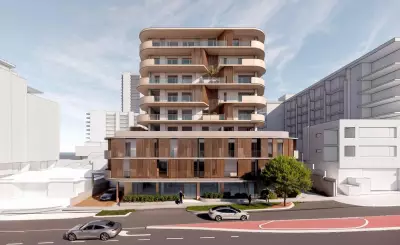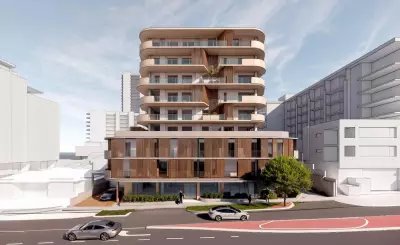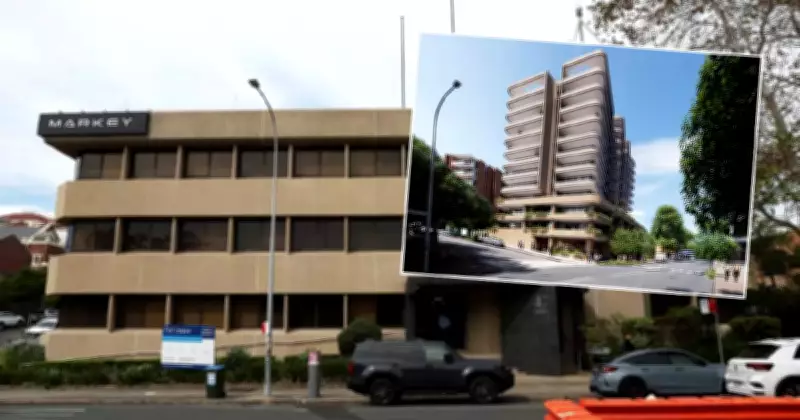
Darby Street High-Rise Unit Proposal Draws 282 Formal Objections in Newcastle
A contentious high-rise unit development proposed for Darby Street in Newcastle has ignited a wave of community opposition, with a staggering 282 formal objections officially lodged against the project. This substantial number of objections highlights the deep-seated concerns among local residents regarding the potential impacts of the development on the area's character, infrastructure, and livability.
Community Backlash and Planning Concerns
The proposal, which involves the construction of a high-rise residential building, has been met with fierce resistance from Newcastle residents who argue that the development is out of scale with the surrounding neighbourhood. Objections cite issues such as increased traffic congestion, strain on existing public services, and a loss of the street's unique heritage and aesthetic appeal. Many residents fear that the high-rise could set a precedent for further intensive development, fundamentally altering the fabric of Darby Street.
Local authorities are now tasked with reviewing these objections as part of the planning assessment process. The volume of feedback underscores the need for careful consideration of community input in urban development decisions. Planning experts note that such large-scale objections can significantly influence the outcome, potentially leading to modifications or even rejection of the proposal if concerns are deemed valid under local planning regulations.

Implications for Newcastle's Property Market
This development controversy comes at a time when Newcastle's property market is experiencing dynamic changes, with increasing demand for housing driving new construction projects. However, the strong opposition to the Darby Street proposal reflects a broader tension between development interests and community preservation efforts. Stakeholders in the real estate sector are closely monitoring the situation, as the decision could impact future investment and development trends in the city.
Residents have organized community meetings and campaigns to voice their disapproval, emphasizing the importance of sustainable and context-sensitive urban growth. The outcome of this planning dispute will likely serve as a key case study for balancing development with community values in Newcastle's evolving urban landscape.