Serious questions are being raised about the ACT government's decision to push ahead with Stage 2A of Canberra's light rail network, with critics labelling it a rushed move designed to create a 'fait accompli'.
Light Rail Project Faces Scrutiny Over Timing and Cost
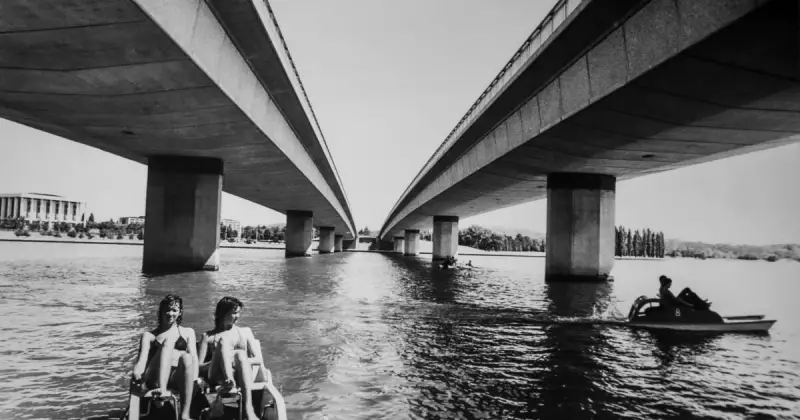
In a pointed letter to the editor, Garran resident Mike Quirk challenged the efficacy of the Barr government's choice to construct the extension from Civic to Commonwealth Park. The disruption from this stage has been worsened by the unforeseen need to strengthen the historic Commonwealth Avenue Bridge, a structure whose original designers never anticipated it would need to bear light rail.
Quirk posed several critical questions: Should the decision have waited until light rail was proven superior to alternatives like bus rapid transit for the full route to Woden? Why commence before approval was secured for the subsequent Stage 2B to Woden? And is it responsible to forge ahead during a time of burgeoning debt, when resources are urgently needed for housing and other community needs?

The commencement of the expensive Stage 2B – costing $577 million for 1.7 kilometres according to government figures – suggests to Quirk that the government's motivation was to 'hinder the ability to develop alternatives to light rail'. He calls for a detailed explanation of the commitment to light rail amid growing evidence it may be less environmentally and economically sustainable than other options.
National Debates: From Australia Day to Bondi Aftermath
The letters section also featured passionate debate on national issues. Kaleen's Jorge Gapella proposed a radical solution to the Australia Day date controversy: moving the celebration to the winter solstice around June 21. This would align with Indigenous celebrations like the Mapuche 'We Tripantu', fostering a shared respect for nature and removing the historical bias of January 26.
Meanwhile, the call for a royal commission into the Bondi massacre found both support and scepticism. Hunter Ronald from Jerrabomberra expressed surprise at a reader poll showing 66% opposition to an inquiry, contrasting it with national polls showing around 80% support. He argued a commission is crucial to understand and address the antisemitism that preceded the attack.
Conversely, Rosemary Walters of Palmerston questioned the cost of a royal commission, suggesting the Prime Minister was right to deliberate before committing millions in taxpayer funds.
Community Voices on Cruelty, Race, and Environment
Other correspondents tackled diverse topics. Cook's Janine Haskins, drawing on her experience in domestic violence services, strongly contested a lawyer's claim that violence towards animals doesn't indicate violence towards humans. She cited assessment tools that mark harm to pets as a primary indicator of domestic and family violence.
In Griffith, Humphrey McQueen challenged the Attorney-General's 'hate speech' amendments centred on 'race', calling the concept unscientific and evoking dangerous ideologies.
Environmental concerns were also prominent. Amy Hiller from Kew, Victoria, criticised both the Howard and Albanese governments for prioritising business over the environment, urging action in 2026 to protect threatened species and transition from polluting industries.
Closer to home, M Flint of Canberra accused the Greens' Shane Rattenbury of 'fiscal hypocrisy' for complaining about budget repair while supporting costly light rail projects that contributed to the territory's debt.
The collection of letters, published on January 14, 2026, underscores a community deeply engaged with issues of governance, cost, identity, and safety, reflecting the complex challenges facing Canberra and Australia.